Behind the Story: Chapter 4 — What The Ground Remembers
What happens when the past refuses to stay in the past?
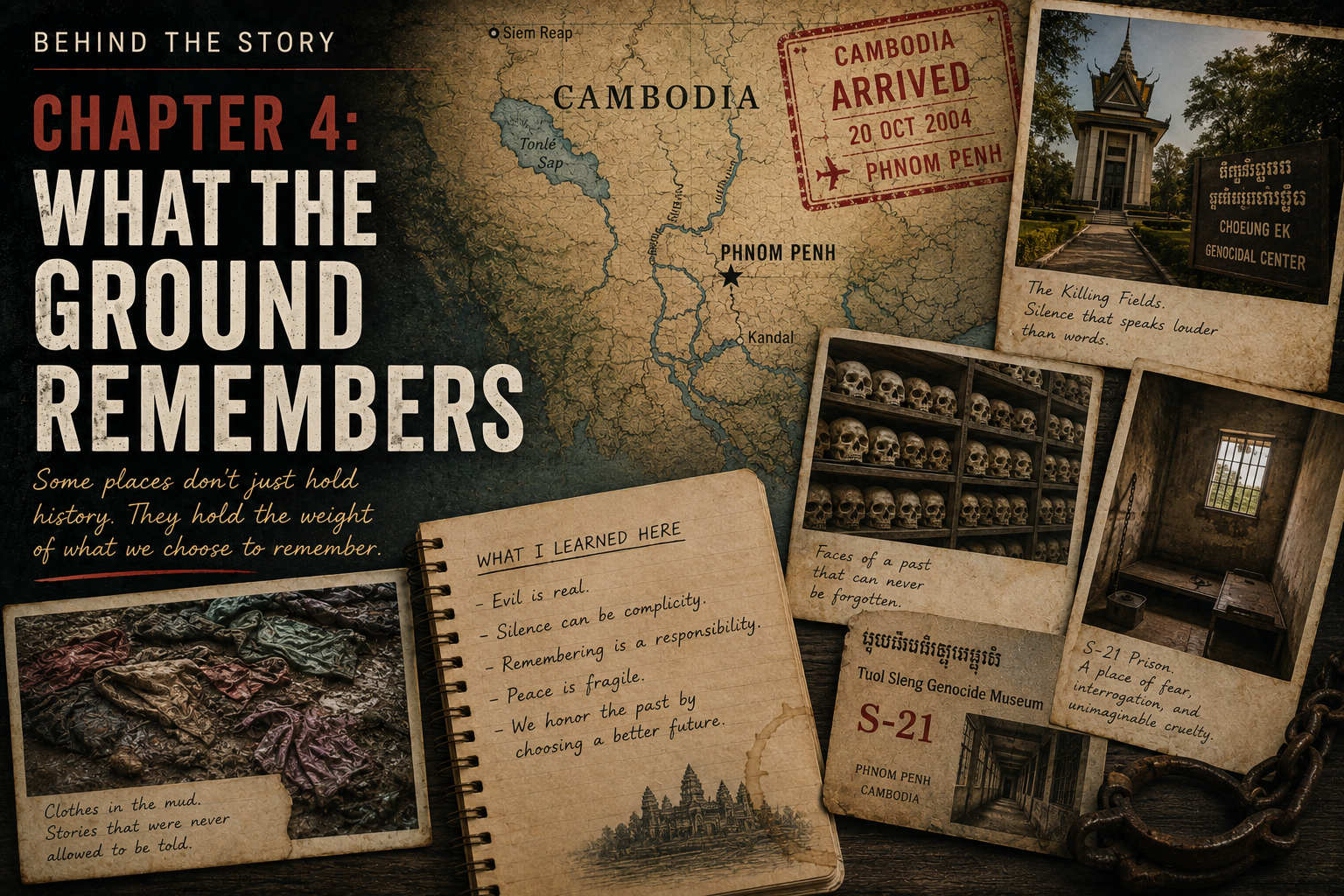
Phnom Penh, Cambodia October 2004
The Chapter
From the Mekong, the journey turns toward Phnom Penh, and Chapter Four moves the book into terrain the first three chapters hadn't prepared readers for.
This isn't a chapter about adventure. It's a chapter about history — the kind a country doesn't get to leave behind just because decades have passed since it happened.
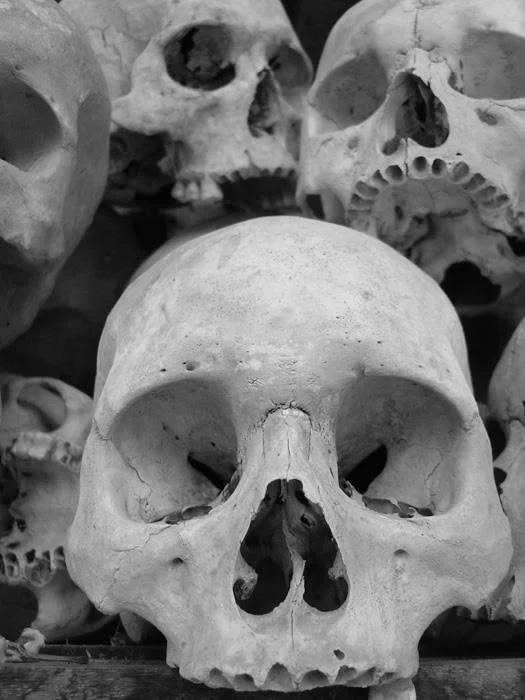
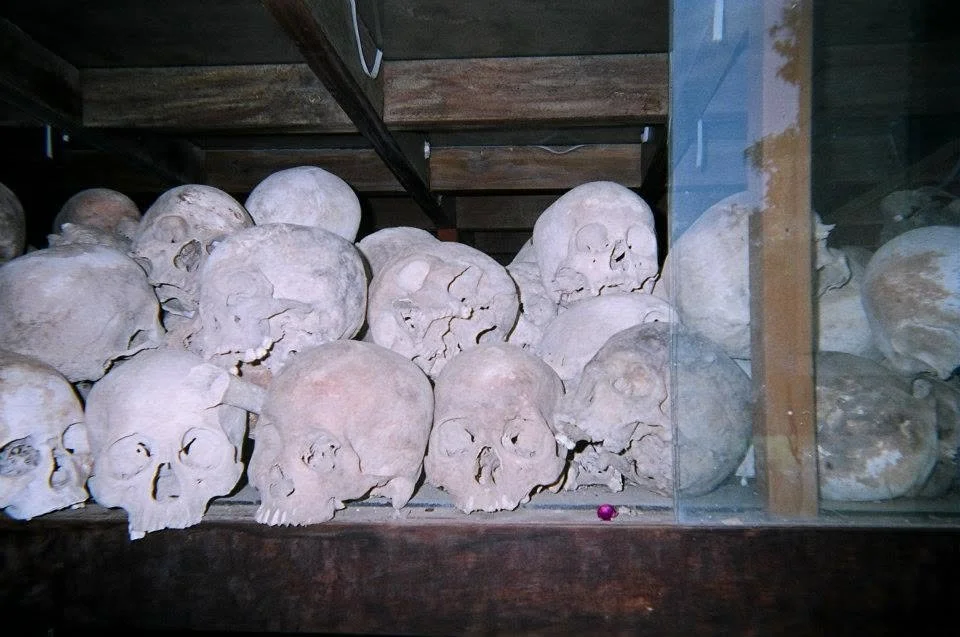
Darren visits a place most travelers approach quietly, without quite knowing what to do with themselves once they're standing in it. What he finds there isn't only in the past tense. Cambodia is still, in a very literal sense, living with what happened — a fact the chapter doesn't explain so much as let the reader feel.
The title isn't metaphorical, not entirely. Some of what the ground remembers is exactly what it sounds like. But by the chapter's end, the phrase has started doing quieter work too — the first hint in the book that certain kinds of damage don't stay buried simply because time has passed over them.
Behind The Story
Genocide in Our Lifetime
When I was writing Chapter Four, one fact kept bothering me more than anything else in it: this wasn't ancient history.
The Cambodian genocide happened between 1975 and 1979. I was born in 1979. While I was entering the world, on the other side of the planet, Cambodia was only just emerging from one of the darkest periods in its history. The people I met there in 2004 weren't descendants of survivors telling stories passed down from some distant past. Many of them were survivors themselves. The children I saw were growing up in families whose parents and grandparents had lived through something that had happened within living memory—not history in the textbook sense, but history close enough that the people who'd lived it were still raising the next generation.
I'd grown up knowing, in the abstract way most of us do, that terrible things happen in history. There's something different about standing in a place where that history is still close enough to touch.
Cambodia wasn't going to be the last time I encountered that particular feeling.
I couldn't have known that yet, standing there at twenty-four. But years later I'd travel through China and come face to face with the history of the Nanjing Massacre—a different regime, a different decade, a death toll whose exact size historians still debate. And later still, the history I'd been quietly walking around without fully understanding would turn personal in a completely different way, once I started digging into my own family's experience during the Holocaust.
Three countries. Three separate histories, with nothing much in common ideologically—different perpetrators, different circumstances, different victims. I want to be careful not to flatten them into the same event, because they weren't. But the same uncomfortable question followed me through all three, and it's followed me ever since.
Are we, as a species, doomed to repeat this?
I don't know the answer. Maybe that's exactly why I keep returning to these places, and these stories, instead of looking away from them the way it would be easier to.
Because the frightening thing about genocide was never simply that human beings are capable of it. We already know that. The frightening thing is how reliably it starts the same way—with ordinary people, in ordinary daily life, gradually deciding that some other group of people has stopped being quite as worthy of protection.
I wasn't equipped to understand any of that yet in Cambodia. I was only just beginning to notice it.
The ground remembers. Eventually, so do we.
What I Know Now
I was twenty-four when I walked through Cambodia. I thought I was learning about something that had happened to other people, in another time.
I didn't understand yet that history doesn't stay where it happened. It travels with people. It gets carried through families, across borders, from one generation to the next. Sometimes it takes decades before you realize that something you thought you were simply observing was actually beginning to ask something of you.
At the time, I was only learning to look. I hadn't yet learned what I was looking at.
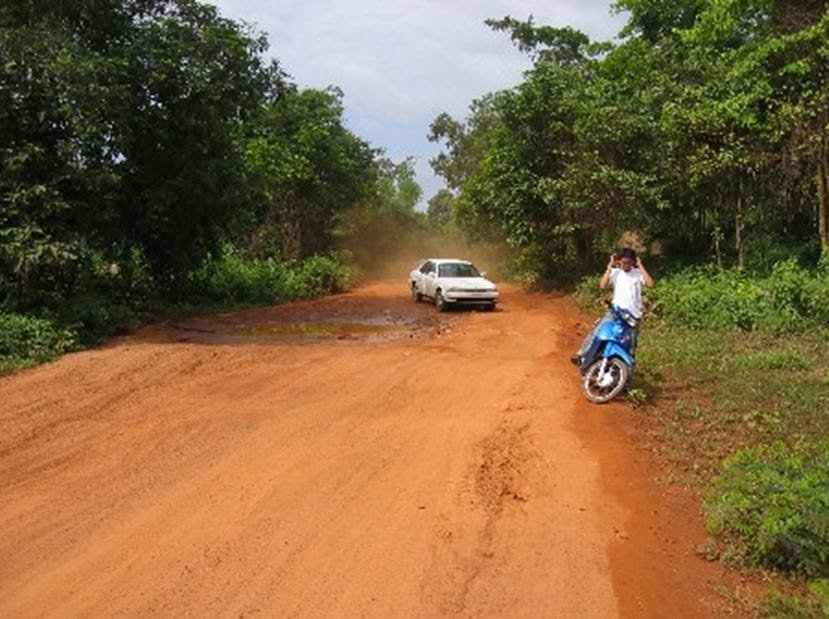
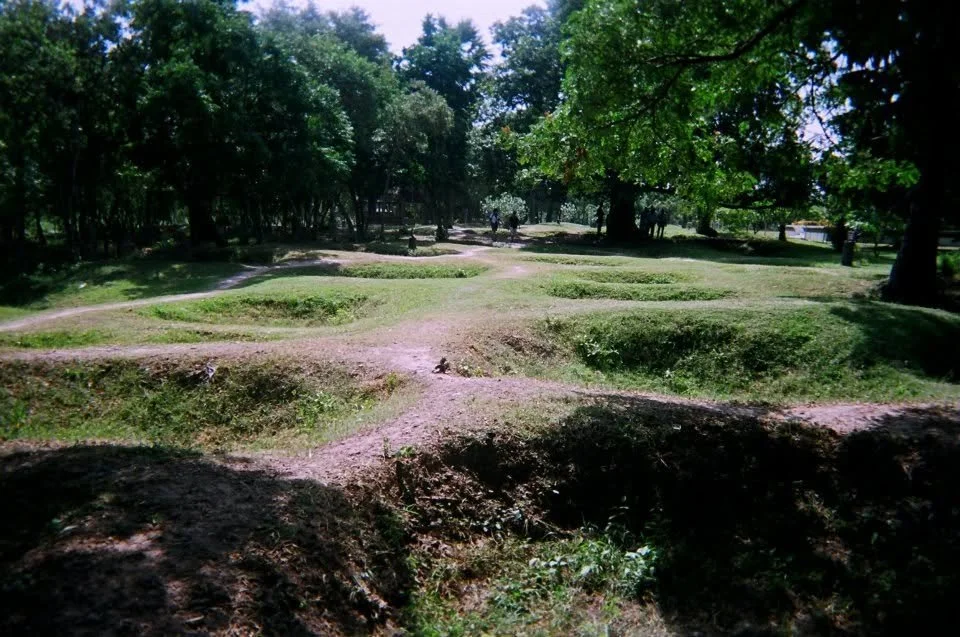
The Album Oct 2004