Behind the Story: Chapter 1 — Permission
Who gives everyone else the authority to decide what your life is supposed to look like?
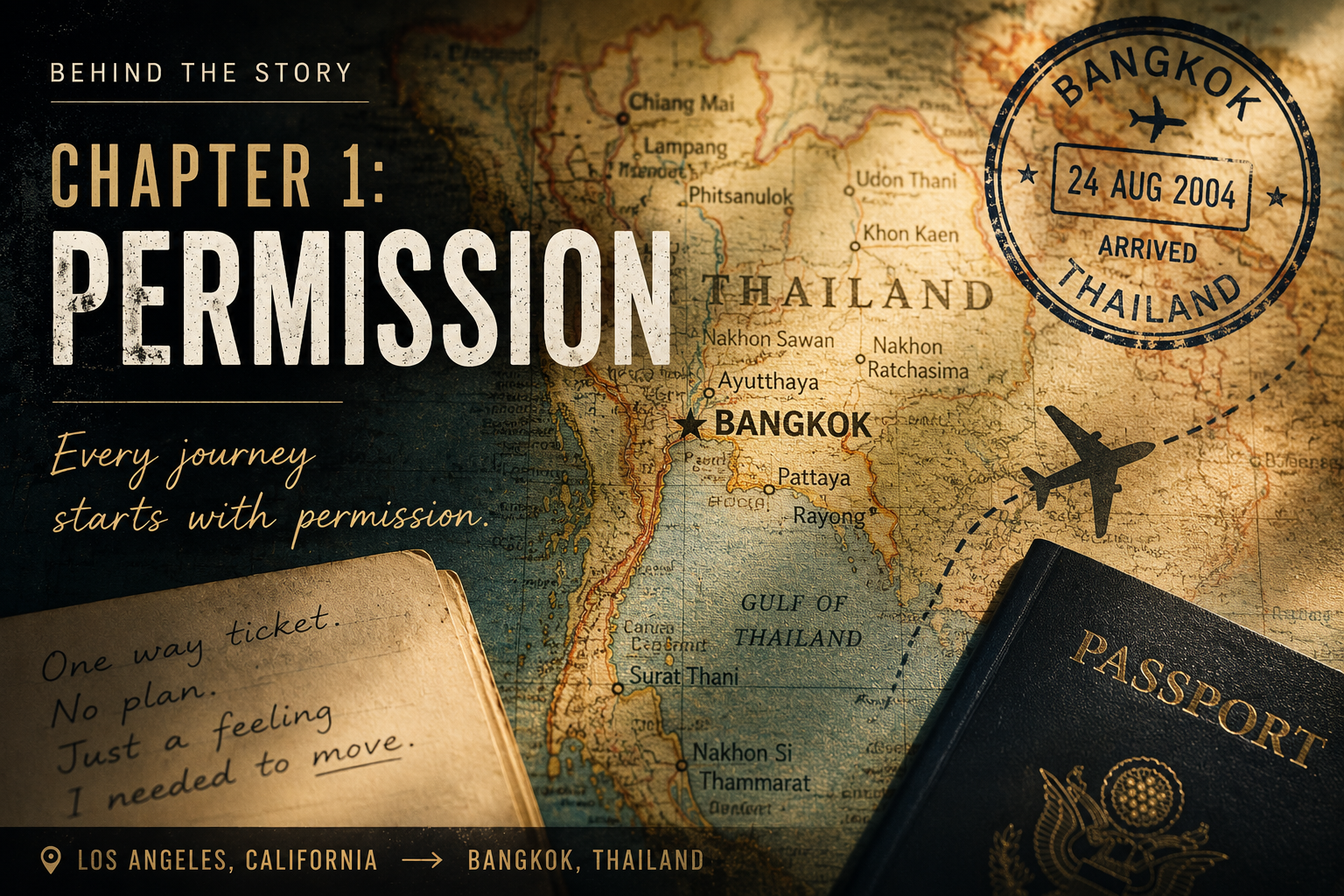
THE CHAPTER
At twenty-four, Darren hits a breaking point over something almost embarrassingly small: a pencil that takes three signatures to order. The frustration turns out to be about far more than office supplies—it’s the moment he realizes his entire life has quietly filled up with permissions he never agreed to need. He quits that same day, sells nearly everything he owns, and buys a one-way ticket to Bangkok with just over three thousand dollars and no plan beyond the flight itself.
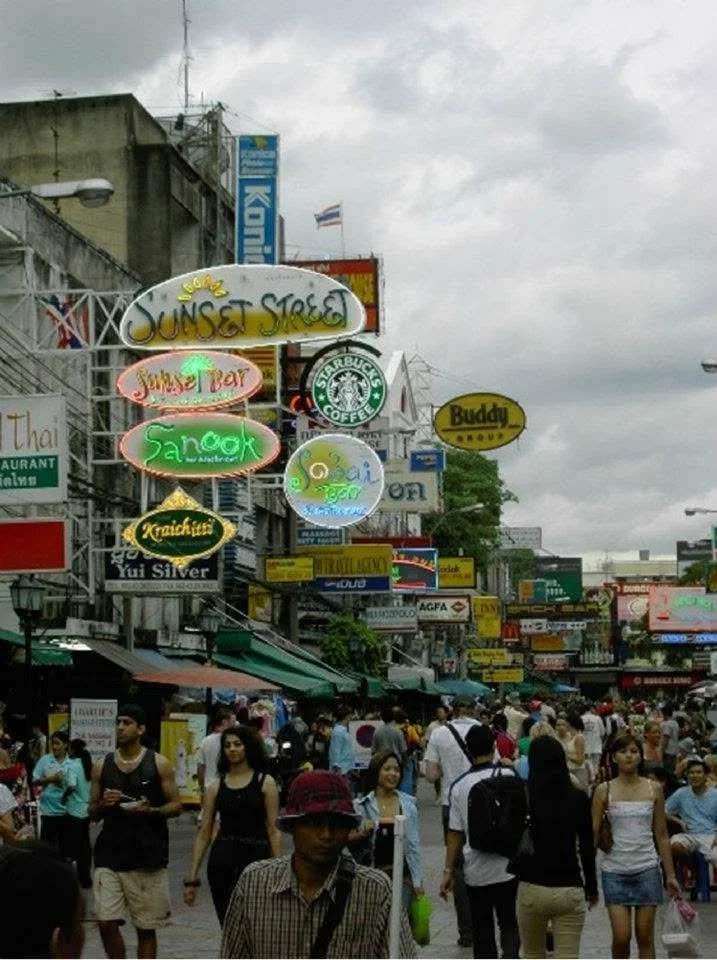
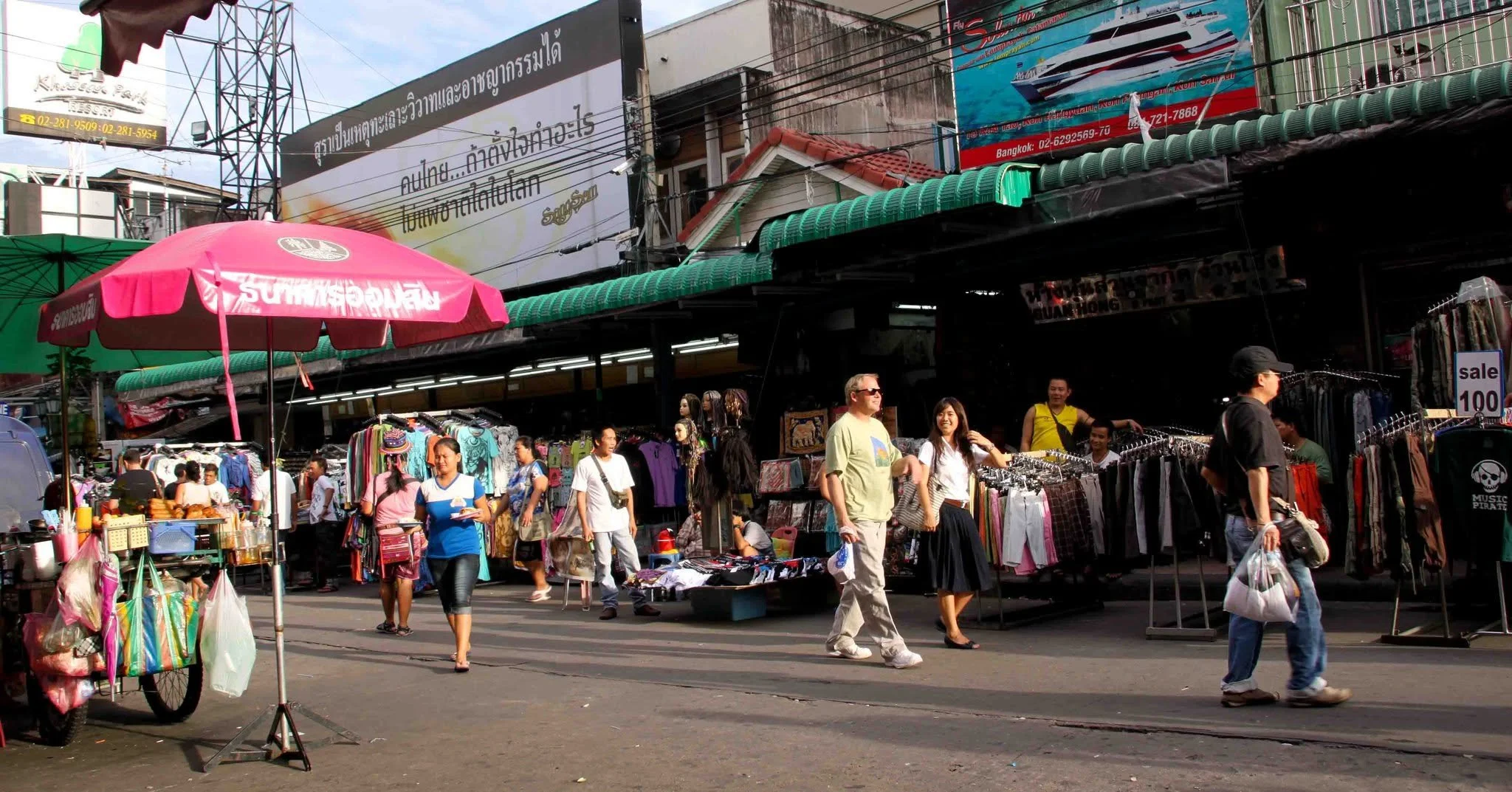
He lands knowing almost nothing about what comes next. At the airport, he falls in with a German traveler he's just met and follows him toward Khao San Road, where strangers become roommates within hours, relying on trust neither of them has earned yet. It's the first of many lessons the book keeps circling back to—about independence, about what it actually takes to trust a stranger, and about how little you need to know before you're already living a different life.
Chapter One is where it all starts. Darren doesn't know yet what he's actually looking for.
That's sort of the point.
BEHIND THE STORY
The Pencil
The three-signature pencil was real, and so was the job it came from—a steady, entry-level position at a major Hollywood studio, the kind of job any film-school graduate would have been thrilled to land, especially without having to start in the mailroom. My father was proud. I couldn't point to a single thing wrong with it. I could only point to a requisition form and the particular horror of realizing I'd need someone else's permission for the rest of my working life, one form at a time.
I quit close to as fast as the chapter says, though quit probably undersells how it actually happened. I gave two weeks' notice, and there was even a verbal agreement that my boss would consider bringing me back whenever I eventually returned. I just didn't know yet when that would be.
It wasn't overnight so much as gradual. I simply stopped showing up to a version of my life that had quietly stopped being mine.
Traveling Before Smartphones
In 2004, arriving somewhere meant actually arriving—no maps app telling you where you were, no reviews to check before picking a guesthouse, just a Lonely Planet with the corners already going soft and a forum called Thorntree where strangers traded tips in a format closer to a bulletin board than a website. You found accommodation after you landed, not before. You met people at airports, baggage carousels, and hostel restaurants because there was no other way to meet them yet.
It sounds almost impossibly slow now. At the time, it just felt like the only way travel had ever worked.
The First Stranger
The German traveler from the airport was named Andres, and the friendship didn't end when the taxi did. We stayed in touch for several months after the trip, and then, the way most faces and friendships from the road eventually do, it slowly faded as life after the trip started trying to resemble normal life again.
It's strange how quickly you can meet someone on the road—strike up a conversation, and within minutes you're already planning tomorrow, or next week. That version of a relationship works right up until you meet the next stranger and the whole cycle starts over again.
What I Know Now
I thought I was giving myself permission to leave. What I didn't see yet was how carefully I'd hedged that permission—the verbal agreement with my boss, the vague promise that my old life would still be there whenever I decided to come back to it.
I wasn't as free as I felt walking out that door. I'd just traded one set of permissions for another—the first one I'd ever granted myself instead of waiting for someone else to hand it over.
It would take years to learn the difference between leaving and actually being free.
Chapter One, it turns out, was only the first draft of that lesson.
THAILAND, THEN AND NOW
My first trip to Thailand was in June 2004. I've been back six or seven times since, sometimes to Koh Tao itself, sometimes to newer islands I was hoping might replicate the Koh Tao I remembered.
It rarely works.
Once a quiet little village gets discovered, the backpackers arrive in force, and it isn't long before there's a 7-Eleven, a McDonald's, and a Starbucks standing where the quiet used to be.
Maybe that's part of what travel teaches you: you can't actually go back. You can return to the same coordinates, but the place—and the person arriving there—are no longer the same.
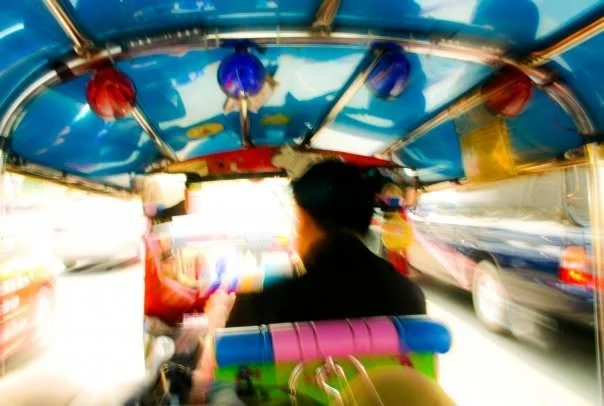
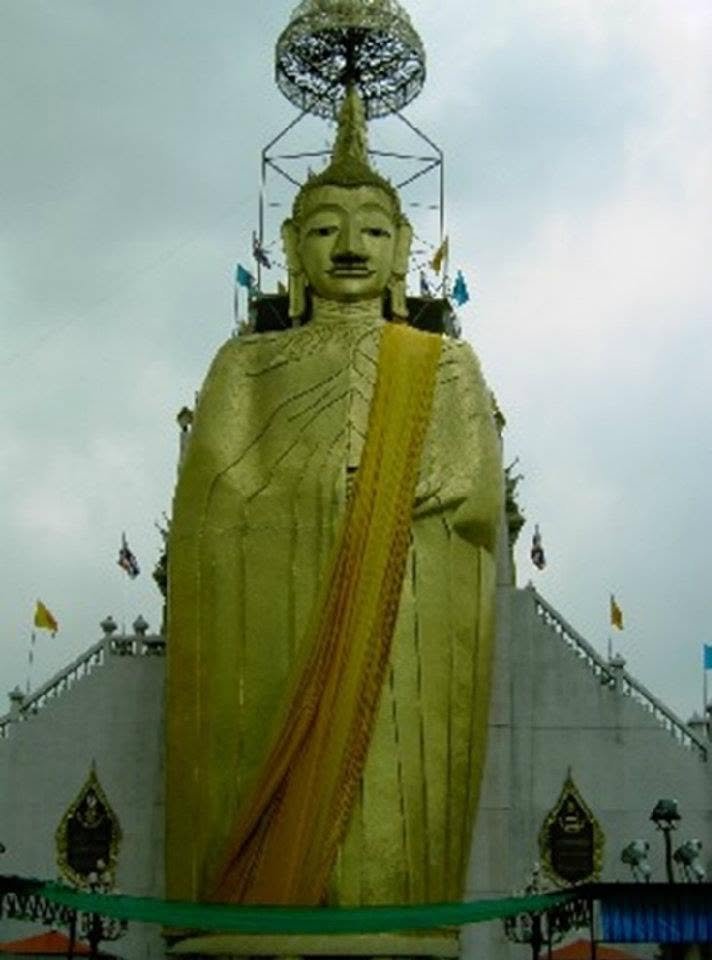
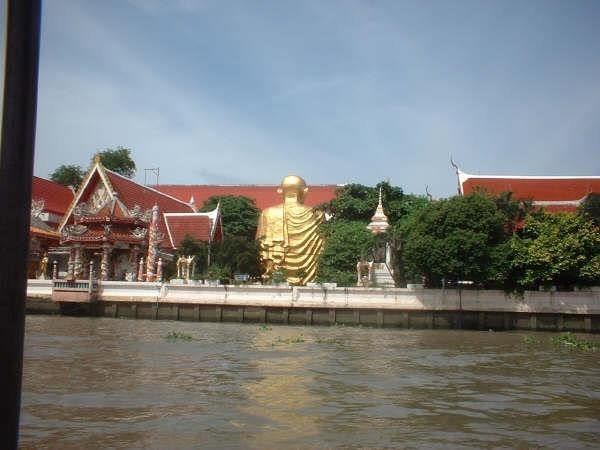
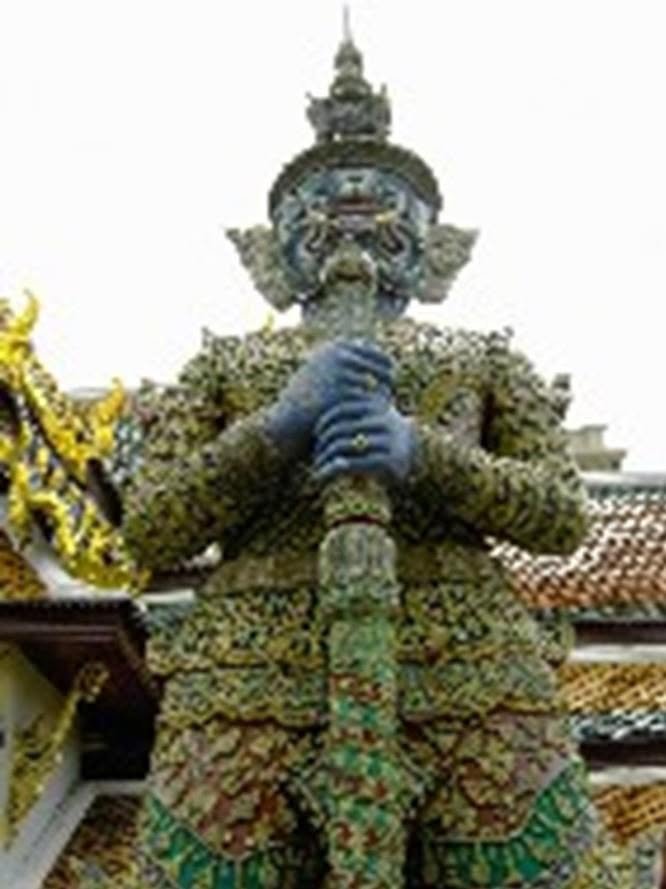
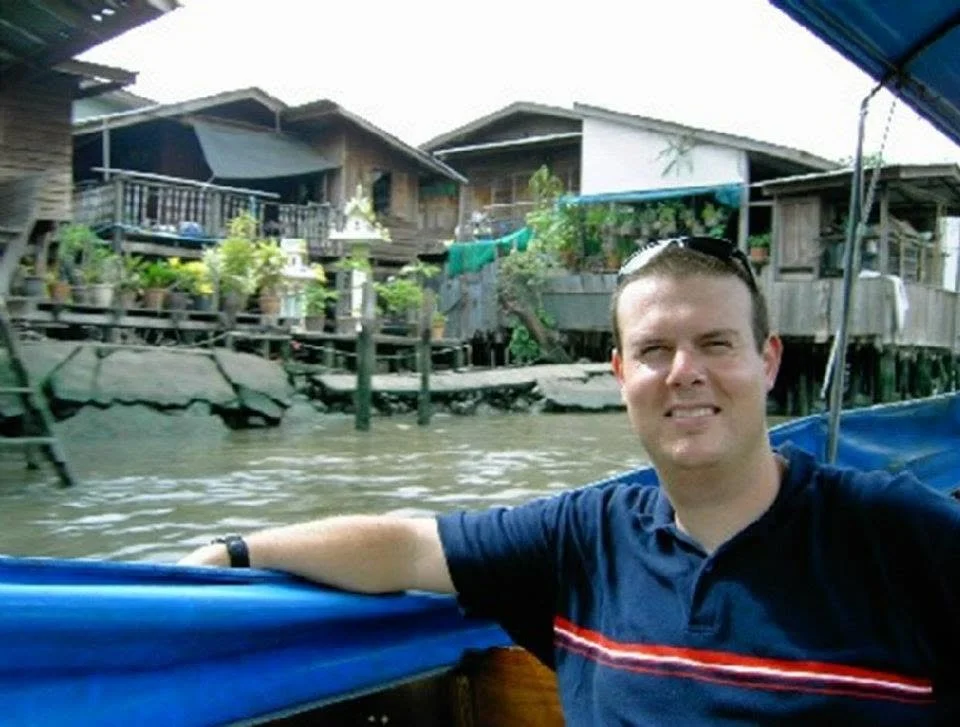
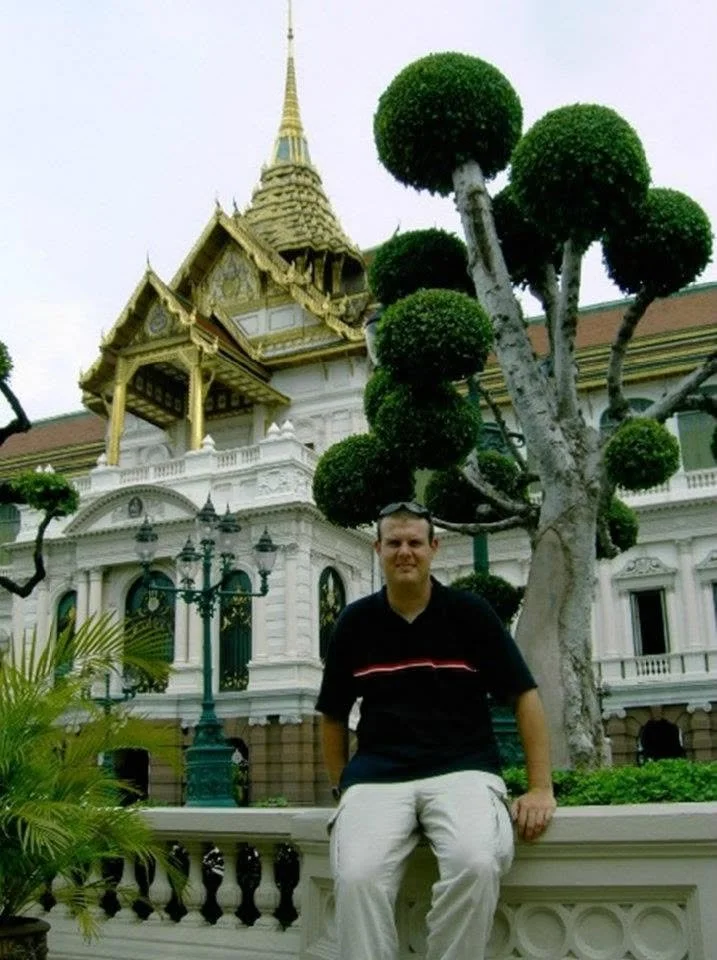
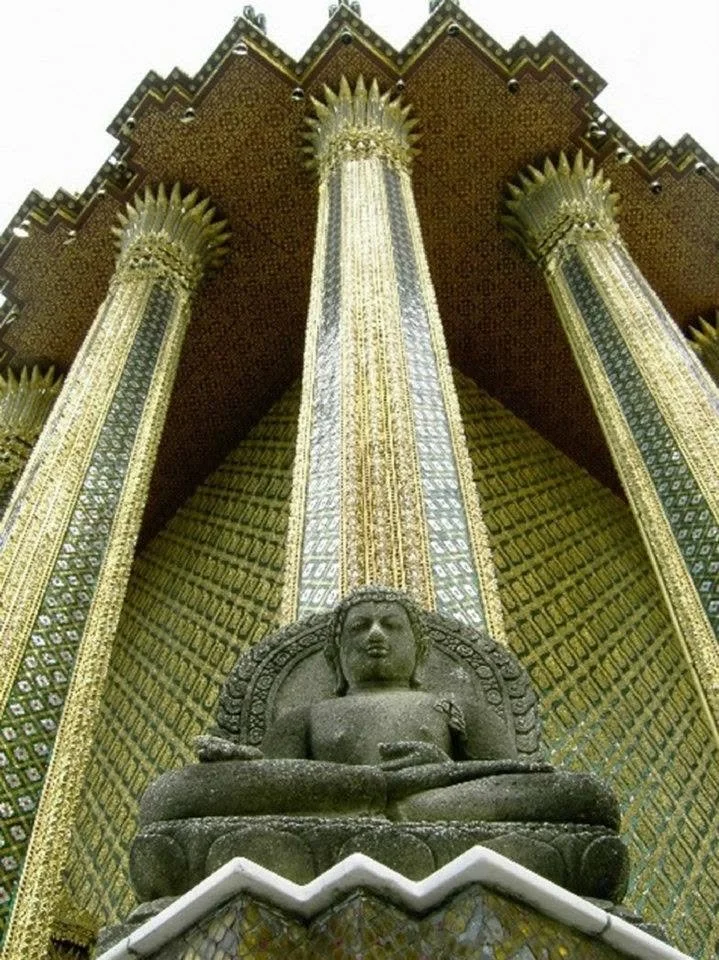
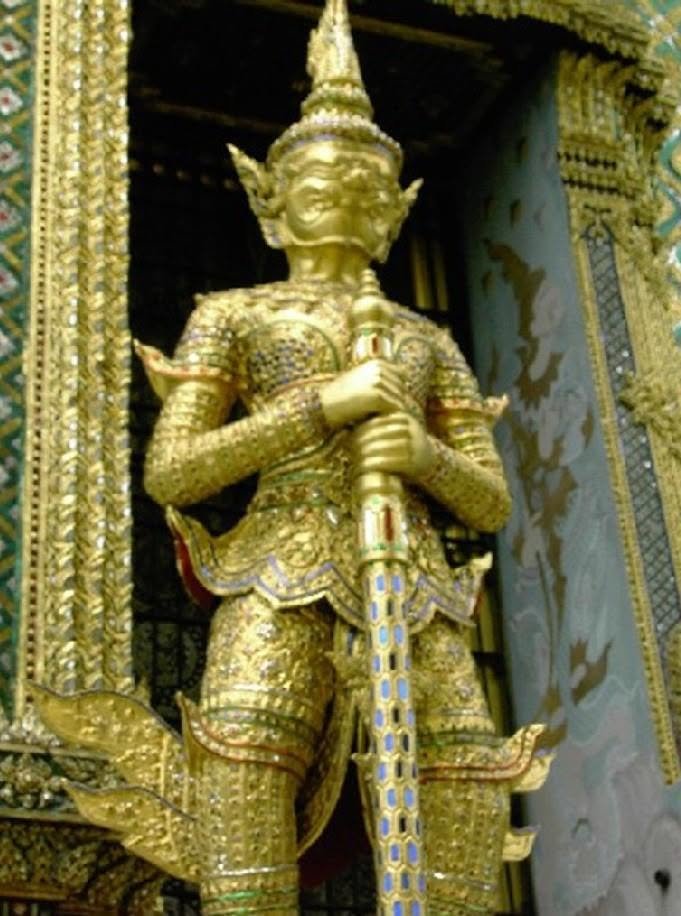
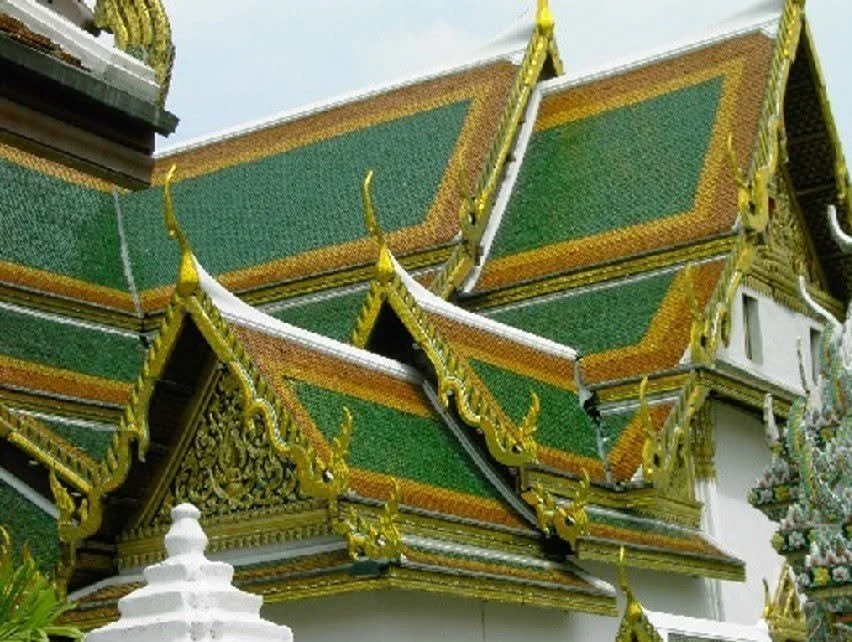
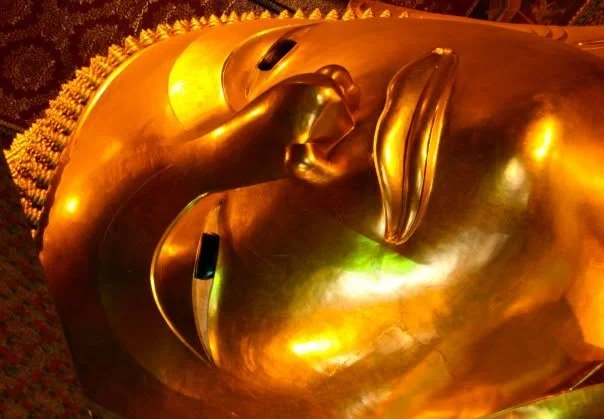
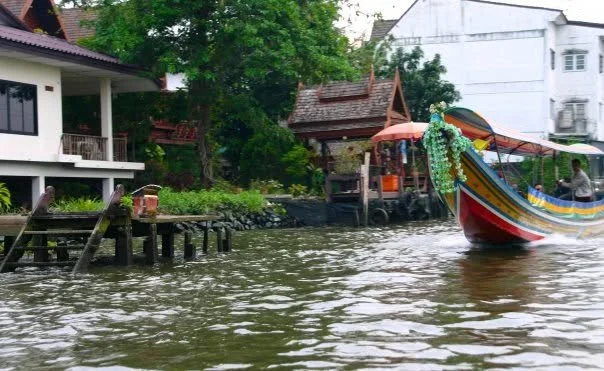
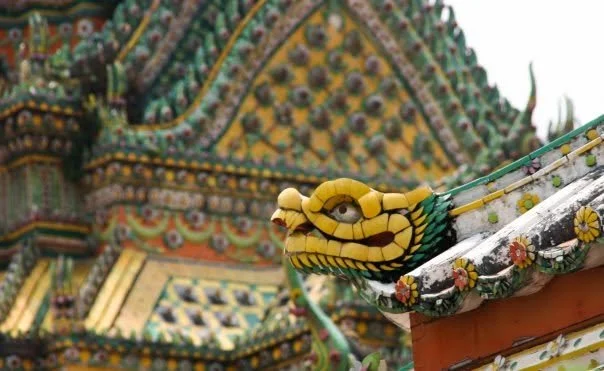
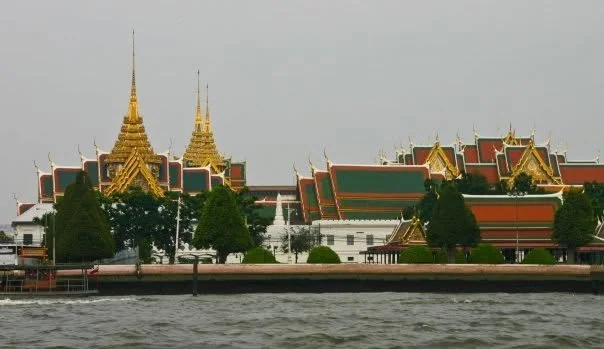
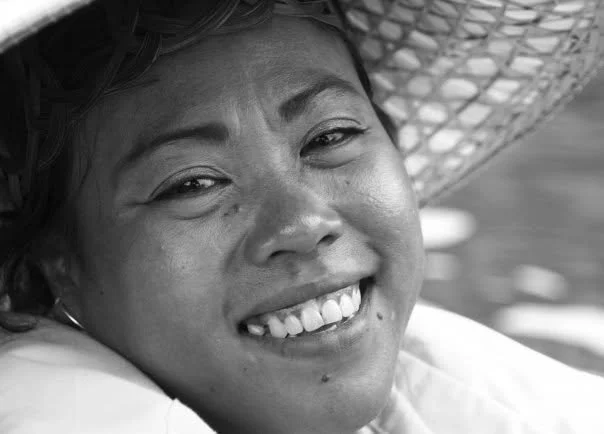
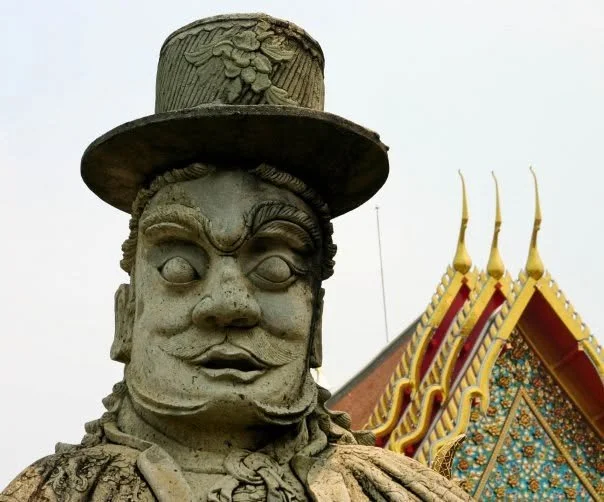
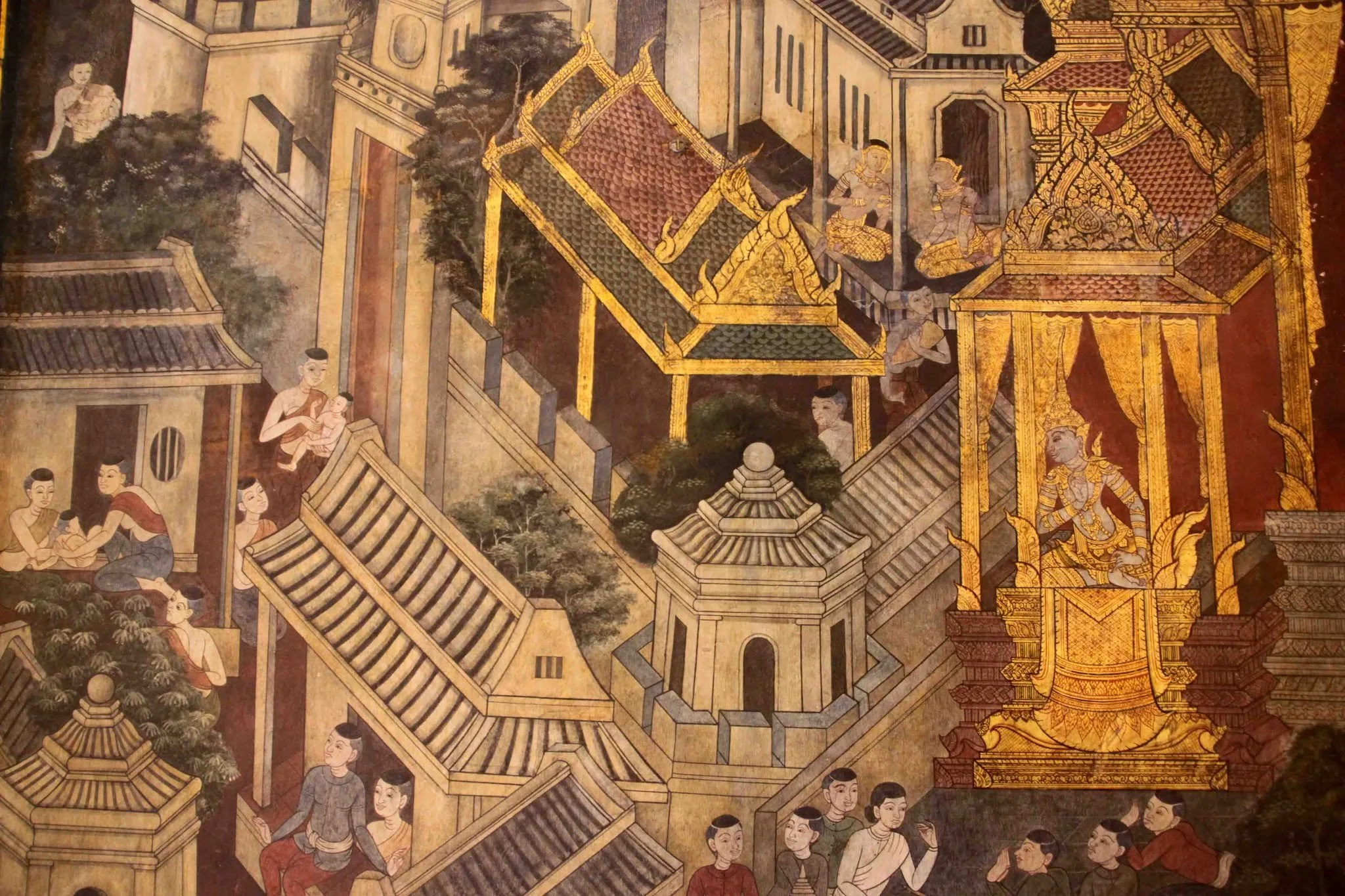
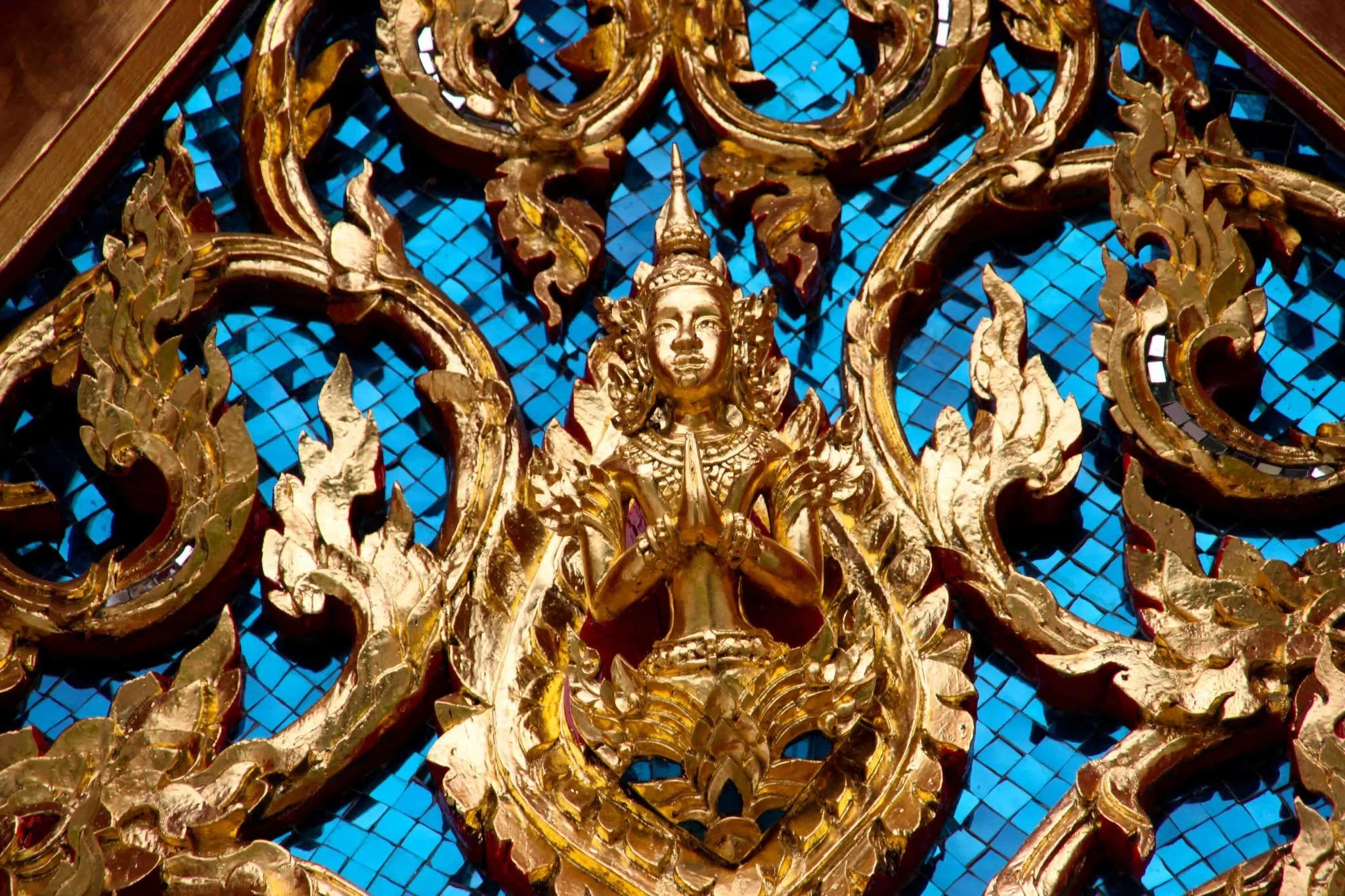
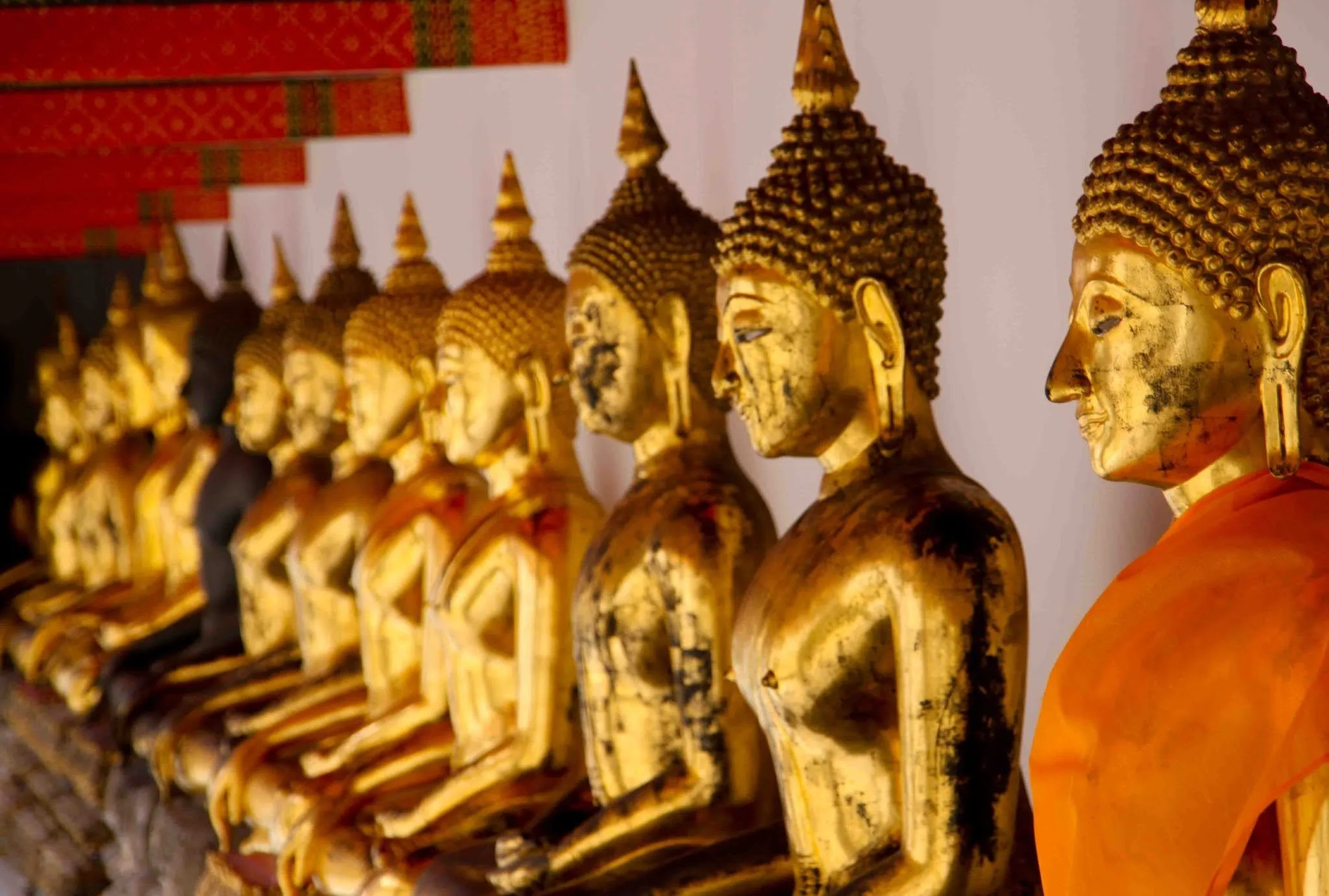
The Album: Bangkok, Thailand June 2004