Behind the Story: Chapter 10 — Summit Fever
When does “can I?” stop being the same question as “should I?”
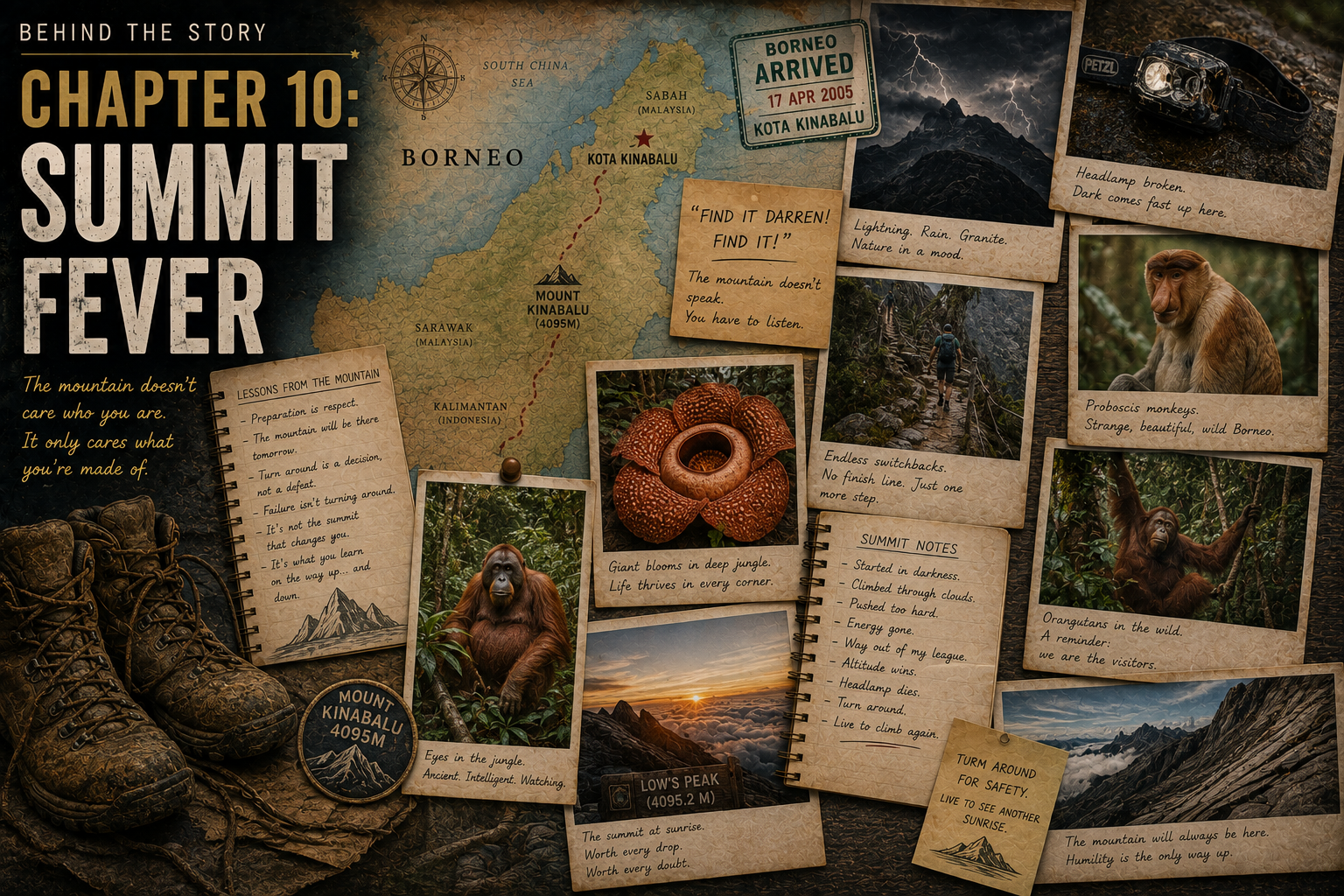
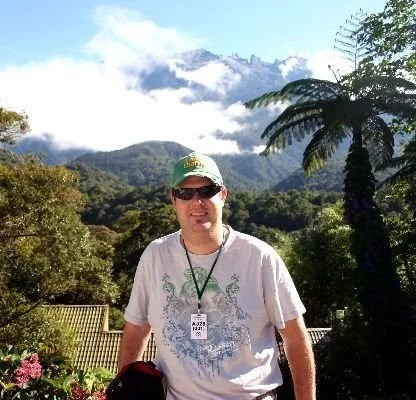
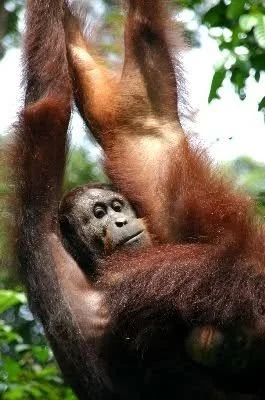
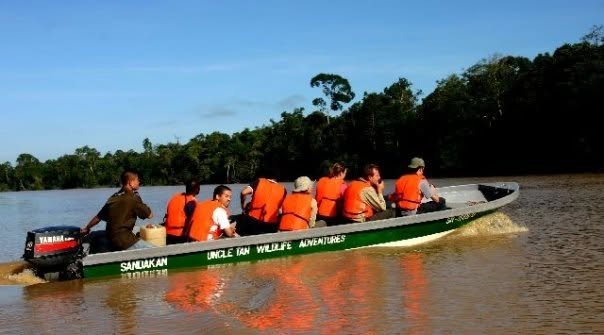
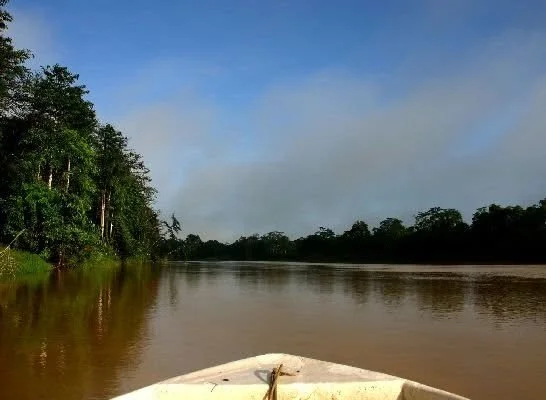
Borneo, Mayalasia 2009
The Chapter
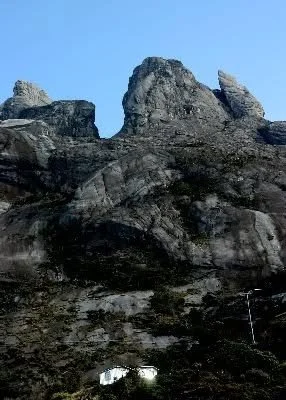
Chapter Ten takes Darren off the ship and onto solid ground again—this time pointed at a mountain, with a goal that's finally, refreshingly simple: get to the top.
After nine chapters of chasing something harder to name—a feeling, a version of himself, a horizon that kept moving whenever he got close—there's something almost like relief in a challenge with an actual finish line. A summit either gets reached or it doesn't. No ambiguity, no scenery standing in for meaning. Just altitude, weather, and a body that has to decide how much it actually wants this.
That simplicity doesn't last as cleanly as it should. Darren arrives badly out of shape, determined to prove that sheer willpower can overcome what his body lacks. Somewhere on the mountain, though, the challenge changes. The same question that's been following him since Thailand finds its way onto the trail, dressed up this time as something closer to ego than restlessness. Wanting to prove something and wanting something for yourself turn out to be harder to tell apart at altitude than they are at sea level.
Chapter Ten is about the difference between reaching a summit and understanding why you needed to.
And sometimes the harder question isn't how far you can go. It's why you needed to go that far in the first place.
Behind The Story
Why Kinabalu?
Timing is everything, and my career and travels were never as linear as the memoir might make them look. After leaving the cruise ship, I ended up in Dallas, working in logistics and operations. I got promoted quickly, started traveling to conferences around the country, and the job itself was genuinely good. My social life wasn't. I found myself restless again, in a city where I hadn't managed to build much of a life outside the office.
Meanwhile, my entire family had scattered back to Australia without me. My brother had already moved to Cairns, near the Great Barrier Reef. My parents, after three years RVing across America, decided they wanted to retire there too. By 2007, everyone I was related to was living in Australia, and I was still in Dallas.
So I walked into my CEO's office with a proposal. Given the fourteen-hour time difference, I offered to take on all our clients' contracts, RFPs, and bids myself and turn them around within twenty-four hours—a client could email a request one afternoon and have a signed proposal waiting by nine the next morning, without ever knowing it had been drafted at two in the morning on the other side of the planet.
He liked the idea. Before long I was headed back through Fiji again, this time settling on the Gold Coast in Queensland—Australia's glittering, slightly absurd stretch of coastline where skyscrapers cast shadows directly onto the sand—working remotely for a company still headquartered in Texas.
I thought I could build a real life there. The laid-back surf culture didn't leave much room for it. Two years in, my closest friends were still my own parents, I was drinking and gambling more than I wanted to admit, and the job had started to drag in the specific way a good job drags when nothing else around it is working.
I needed a change of scenery, so I started researching places I knew almost nothing about, until my vague, Discovery Channel-level curiosity settled on somewhere genuinely unfamiliar: Borneo.
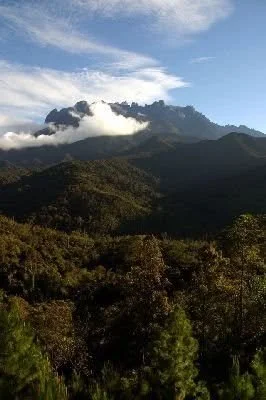
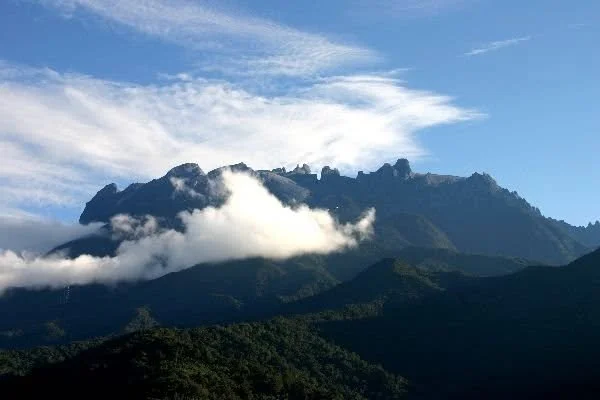
Kinabalu wasn't a considered choice so much as the obvious one, once Borneo was already the destination. I decided I was doing it before I'd fully worked out whether I should.
The honest answer isn't “I wanted to climb a mountain.” It's that I'd developed a theory about myself, somewhere over the previous nine chapters, and Kinabalu was where I decided to test it: could determination and willpower make up for preparation? Could wanting something badly enough substitute for actually being ready for it?
I knew I wasn't in good shape going in. I climbed anyway, because some part of me had started to believe that physical readiness was almost beside the point—that the real test was somewhere else entirely, in whatever combination of willpower and stubbornness I could bring to a mountain instead of the training I hadn't done.
I wanted to test myself physically, yes, but also mentally, and if I'm honest, something closer to spiritually. I'd spent a lot of chapters by that point chasing feelings I couldn't quite name in places that kept changing under me. A mountain felt like the first honest, unambiguous test I'd set for myself in a long time.
You either get up it or you don't.
I didn't yet understand that “you either get up it or you don't” wasn't actually the whole question.
"Find It, Darren"
That phrase wasn't invented for the book. It's something I actually said to myself, out loud, on the mountain, in the specific moment when my body was telling me in no uncertain terms to stop and some other part of me refused to listen.
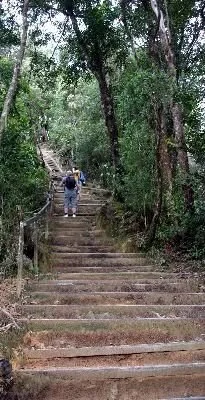
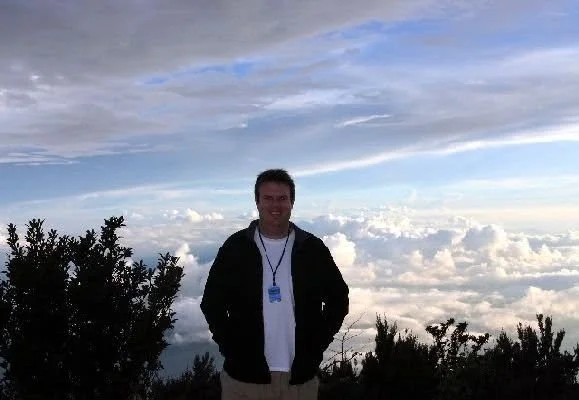
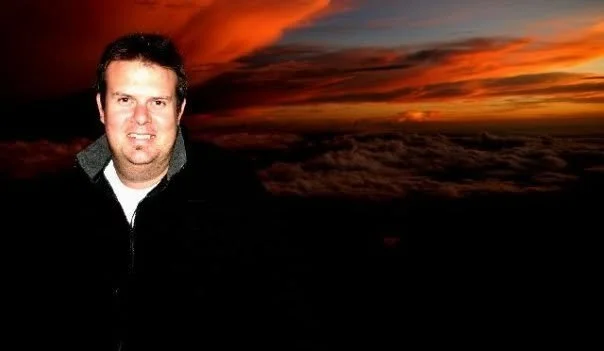
I'd climbed alone. No one else on that trail knew my name, let alone had any reason to cheer for me, which meant there was no one to be strong for except myself, and no one to hand the job of motivator to except myself either.
“Find it” meant exactly what it sounds like—find the strength, find another gear, find whatever was left in the tank and use it, because stopping wasn't something I'd given myself permission to consider yet. It was a phrase built entirely for pushing through.
What I didn't understand yet, repeating it to myself somewhere on that trail, was that the phrase was going to end up meaning something more complicated by the time the mountain was finished with me—that “finding it” might eventually have to mean finding something other than the strength to keep climbing.
The Mountain Changed the Question
The question I brought to Kinabalu was simple: Can I do this?
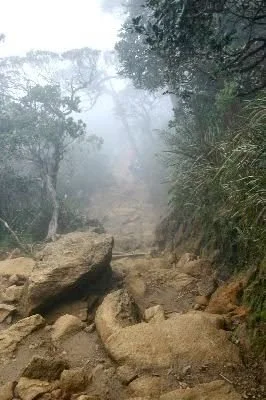
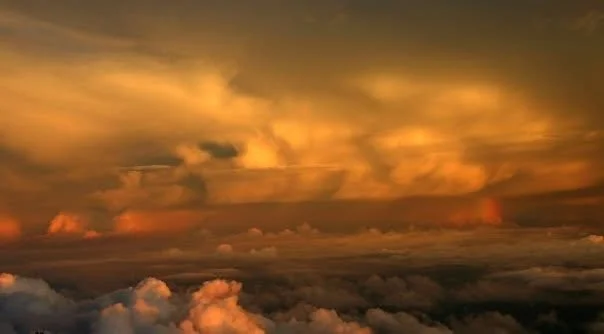
Somewhere around four in the morning, with lightning working its way across an exposed section of trail and my headlamp gone, the question changed on me without asking permission. It stopped being can I and became should I—a completely different question, and one I wasn't remotely prepared to answer, because I'd spent the entire climb up to that point assuming they were the same question wearing different clothes.
That distinction stayed with me long after I came down the mountain. I'd always thought determination meant finding a way forward.
Kinabalu was the first time I had to consider that sometimes determination means something else entirely.
The Album- May 2008