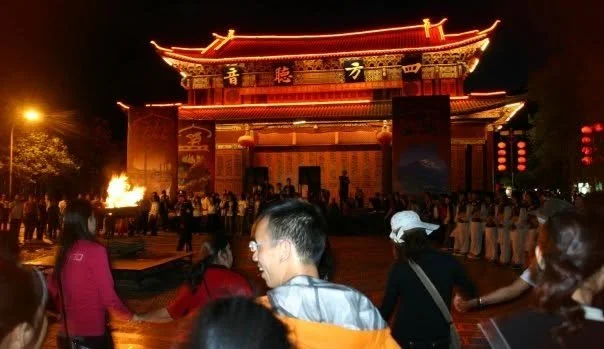
Behind the Story: Chapter 11 — Lost Horizon
What if paradise was never a place, but the point where you finally stop expecting one?
The Chapter
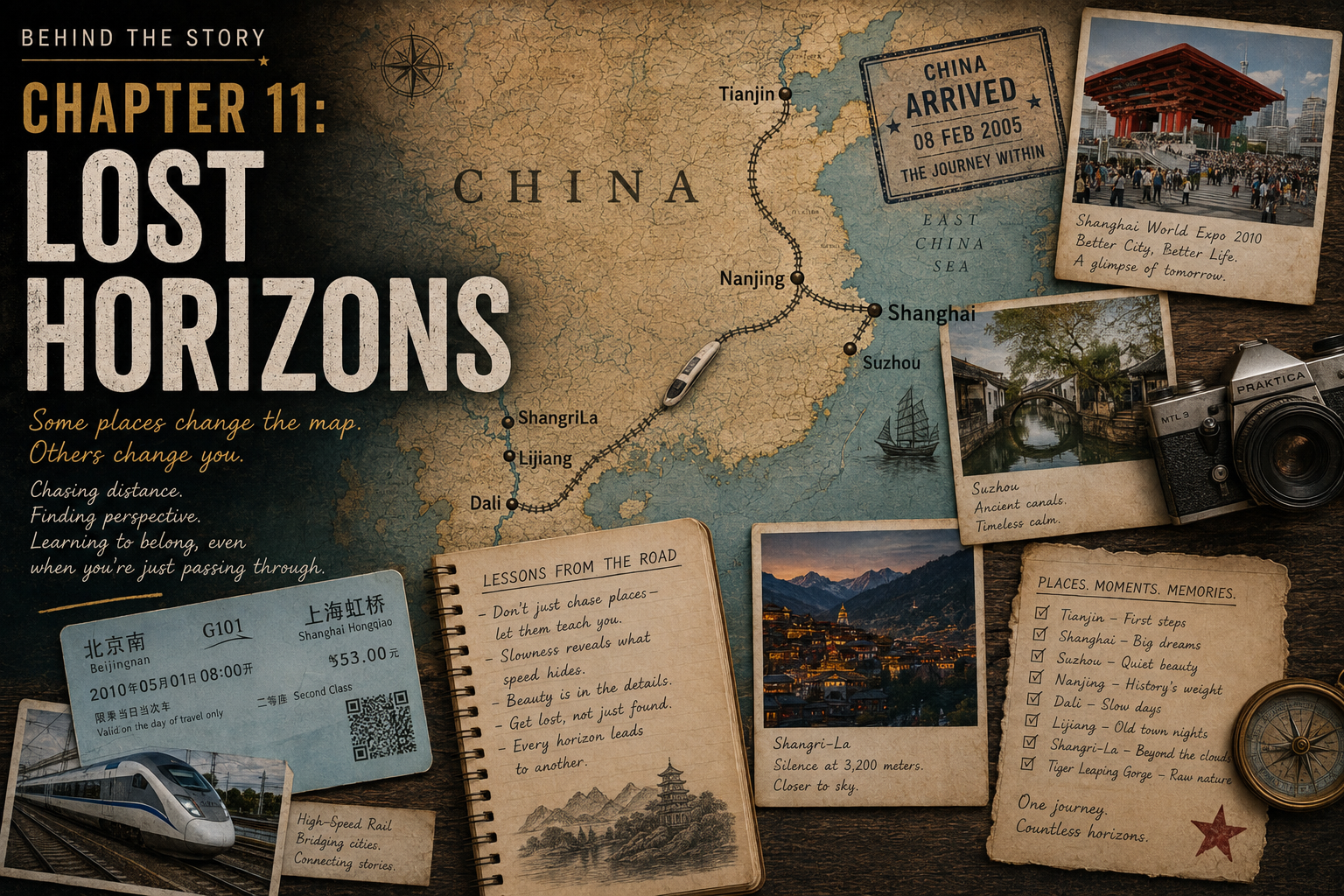
Chapter Eleven takes Darren into China for the first time, from the futuristic scale of Shanghai to the mountains of Yunnan, where an old literary fantasy gives him a destination he can't resist chasing: Shangri-La.
Along the way, a chance meeting with a businessman named Mr. Yao plants the seed for an unexpected new chapter in Darren's life, while the journey itself begins challenging some of the assumptions he's carried around the world.
Eventually, Darren reaches the place he's been looking for—and discovers that finding Shangri-La may have very little to do with finding a place.
Chapter Eleven is about the difference between searching for paradise and recognizing it when you finally stop looking.
Behind The Story
Chasing Shangri-La
Long before I ever went to China, I’d read James Hilton’s Lost Horizon—the novel about a hidden Himalayan paradise called Shangri-La. The idea stuck with me. When I started looking at Yunnan Province, I imagined I was following the story toward the Tibetan frontier, toward something remote and almost mythical. Then I discovered the slightly less romantic truth: the Chinese government had simply renamed a city Shangri-La. It was a brilliant marketing move. Tourists came looking for the mythical paradise they’d read about, and the city was happy to give them one. I was disappointed for about five minutes. Then I went anyway.
Seat 1A
I’d been living on Australia’s Gold Coast for two years when a new generation of budget airlines started changing the map. Jetstar, Virgin Blue, AirAsia and others were opening routes across Asia, all chasing the enormous Australian travel market. When AirAsia announced a new direct flight from the Gold Coast to Tianjin, I didn’t need much convincing. I booked seat 1A on the inaugural flight. When we finally taxied toward the gate in Tianjin, I looked out the window and saw banners, streamers, dancing lions, drummers, government officials, and what seemed like an entire welcoming committee waiting for us. There was even a senior Malaysian government delegation on board. For a twenty-something American who had simply bought a cheap airline ticket to China, it felt less like arriving at an airport and more like China had organized a welcoming ceremony specifically for me. Of course, it hadn’t. But for a moment, I was happy to believe it had.
Alex
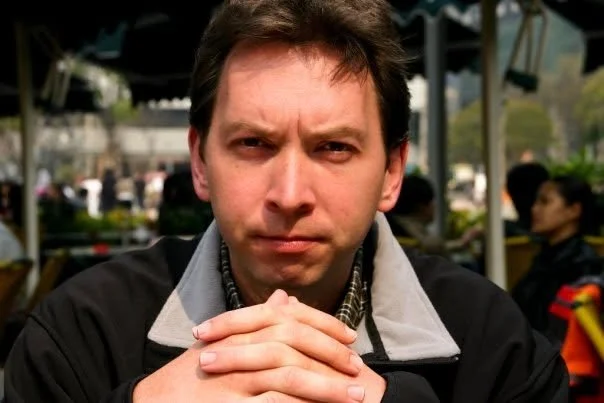
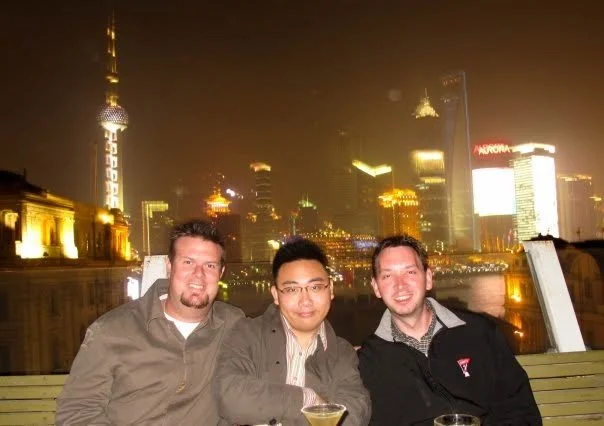
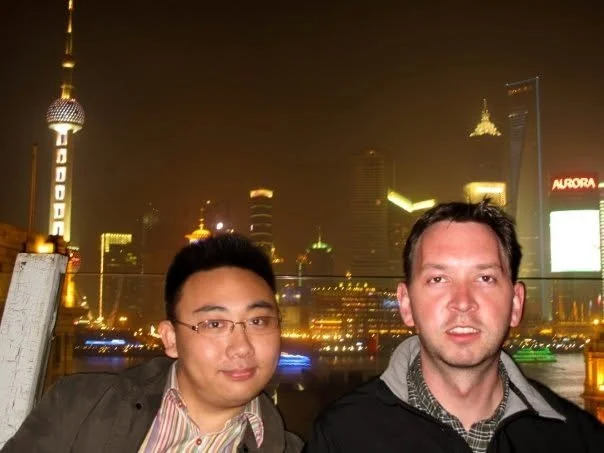
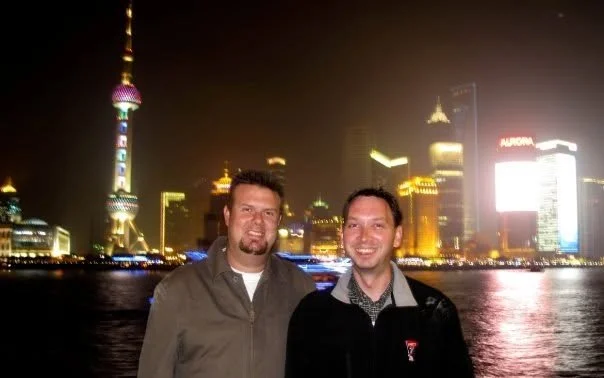
There was another reason I chose China: Alex was there. Alex had been one of my closest friends since high school, long before either of us had any idea where our lives would take us. By the time I arrived in China, he was living and working in Shanghai, which gave me something I hadn’t had in most of the places I’d traveled before—a familiar face waiting on the other side. That changed the experience immediately. China was still completely foreign to me, but I wasn’t entering it entirely alone. Alex became my bridge into Shanghai, and through him I met Mr. Yao, stepped into a world of Chinese business and hospitality I could never have found on my own, and eventually began seeing China as something much more complicated than the country I’d imagined from the outside. And somewhere along the way, that original search for Shangri-La became something else entirely.
I had gone looking for a mythical place. What I found instead was a country—and a version of myself—I hadn’t known I was looking for.
What I Know Now
I thought I was looking for Shangri-La. Looking back, I realize I’d been looking for it long before I ever heard the name. Thailand had been one version of it. Laos another. Australia, the cruise ship, the mountain—each time I found something beautiful, I stayed for a while, and each time some part of me eventually started looking beyond it. China didn’t give me the paradise I’d imagined. It gave me something more useful: the realization that the places we build in our heads rarely survive contact with the places themselves. The real world is messier, stranger, more complicated—and usually more interesting. I didn’t know it yet, but I was beginning to understand something about horizons. They’re not destinations. They’re the distance between where you are and where you think you’ll finally be happy. And the farther you travel, the more clearly you can see that they’re always moving
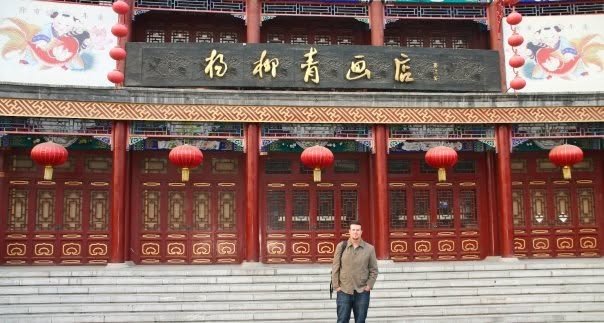
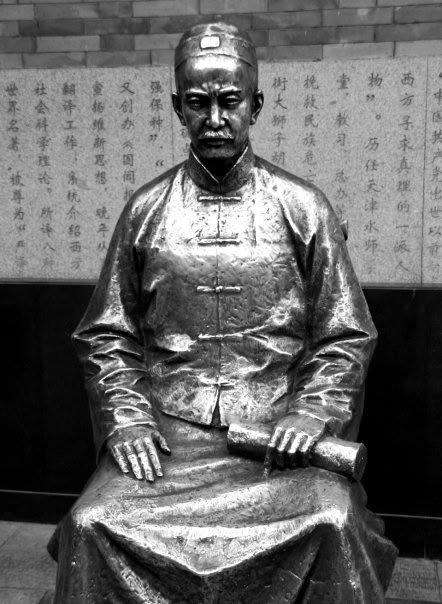
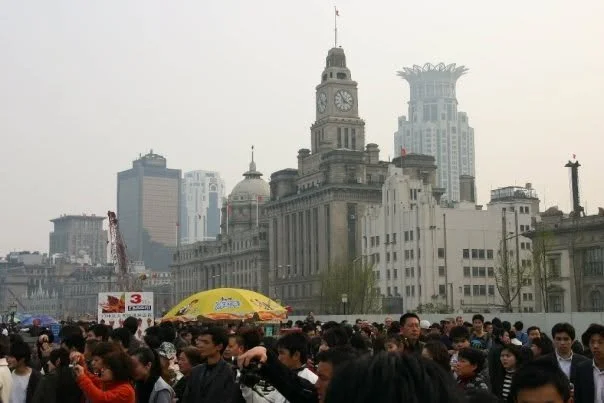
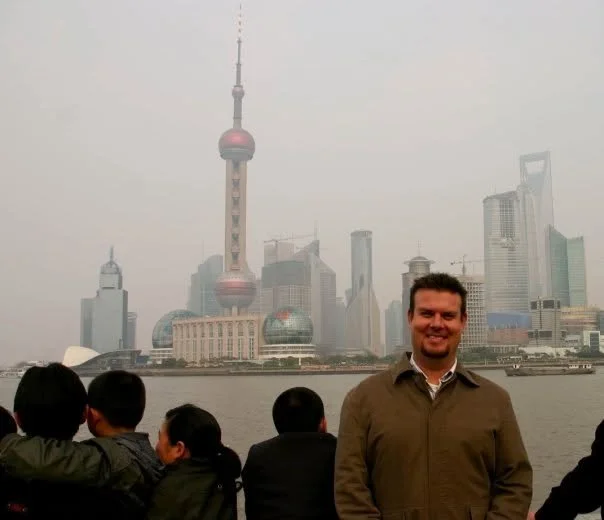
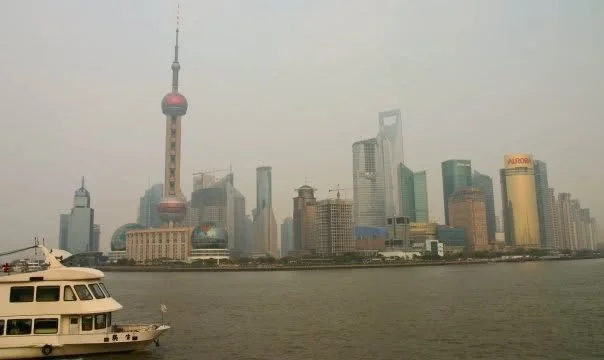
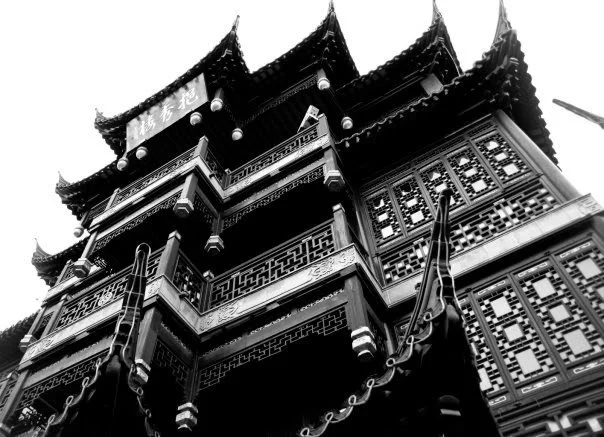
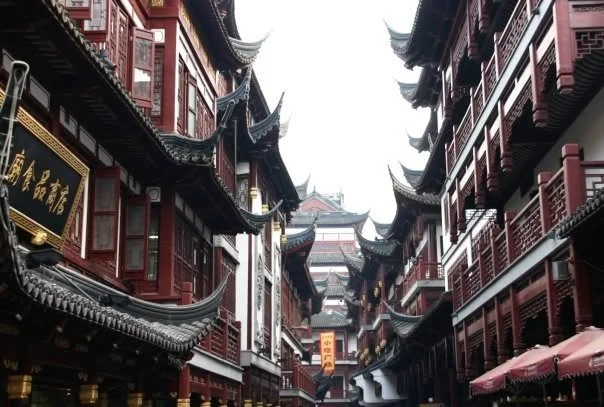
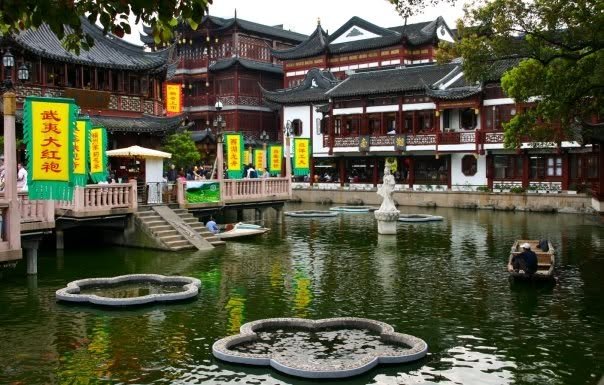
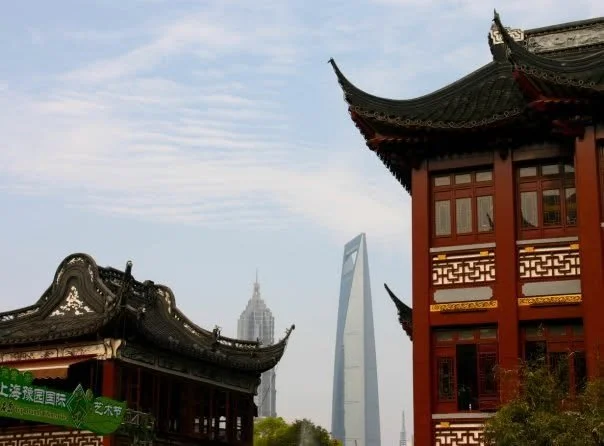
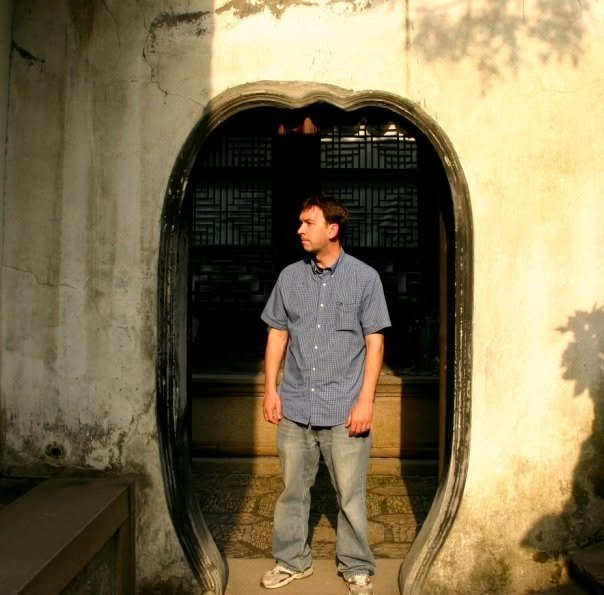
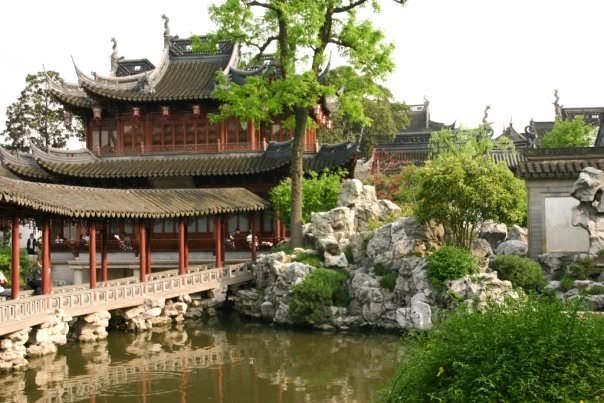
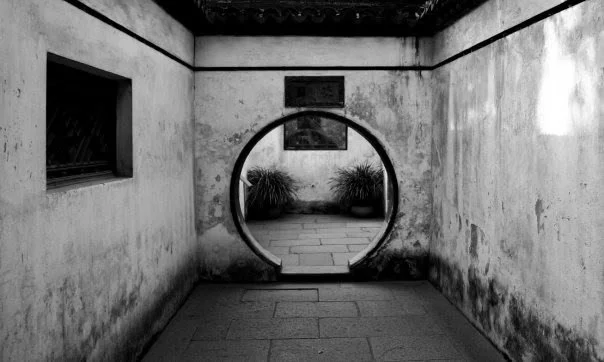
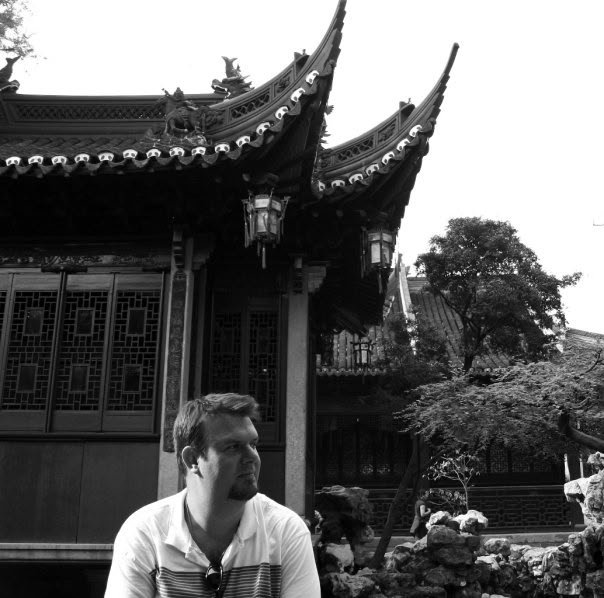
The Album Tianjin / Shanghai April 2009









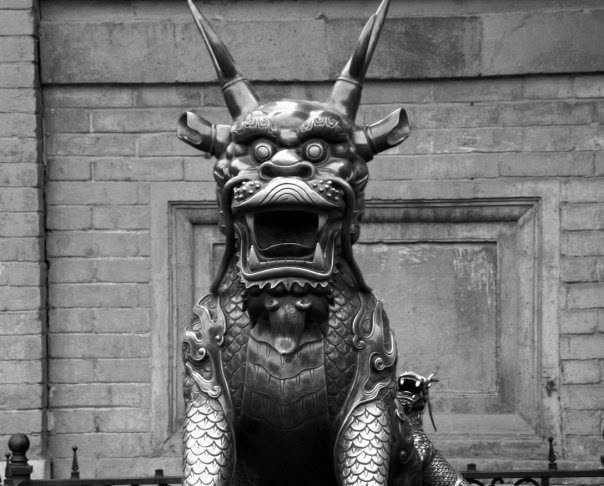









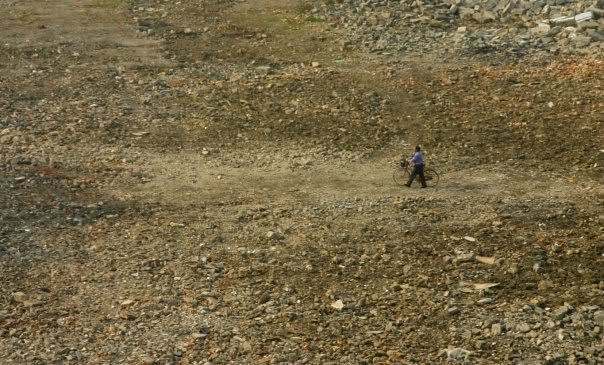

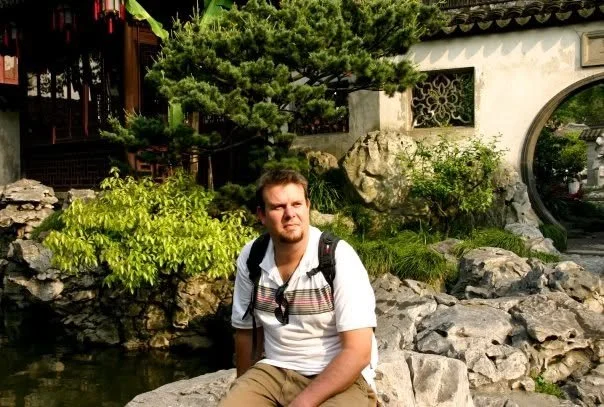
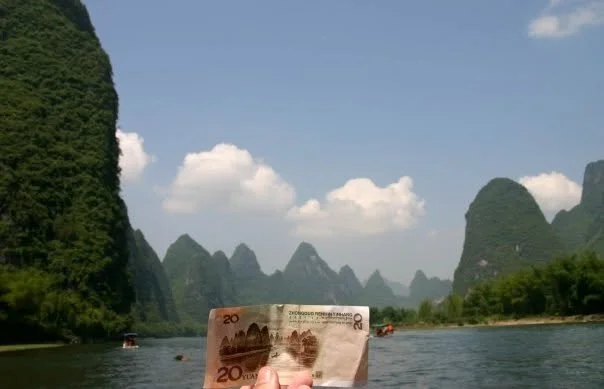
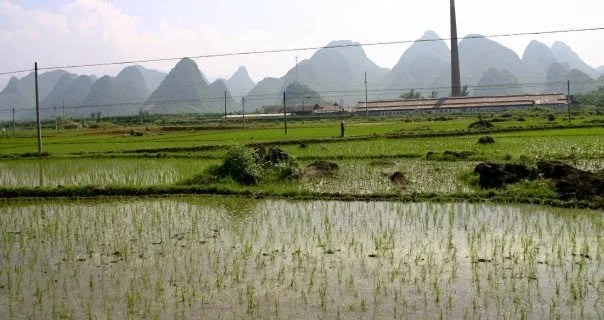
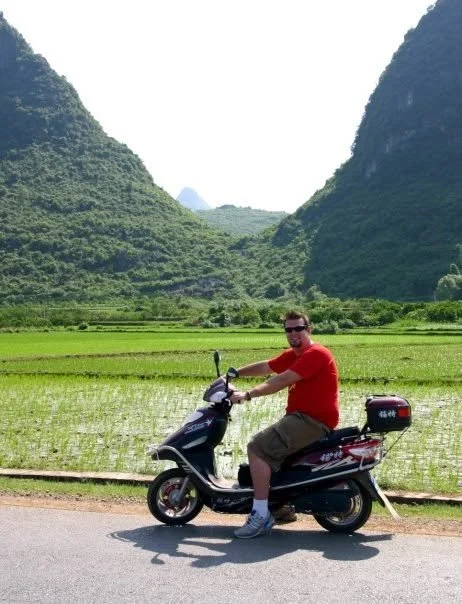
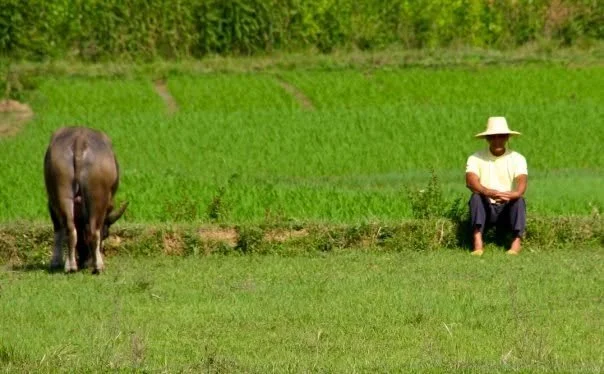
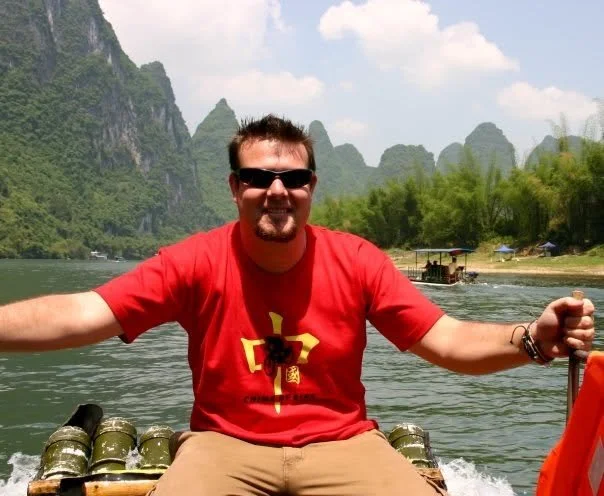
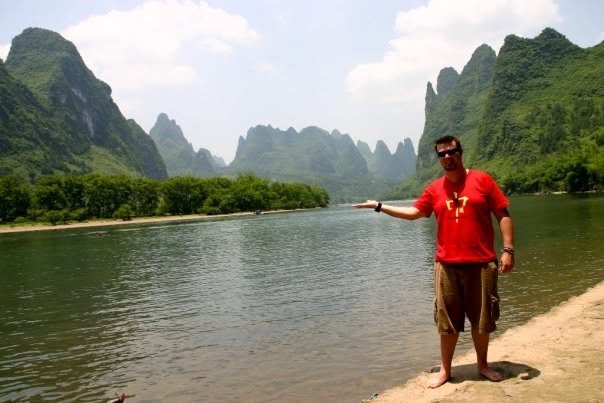
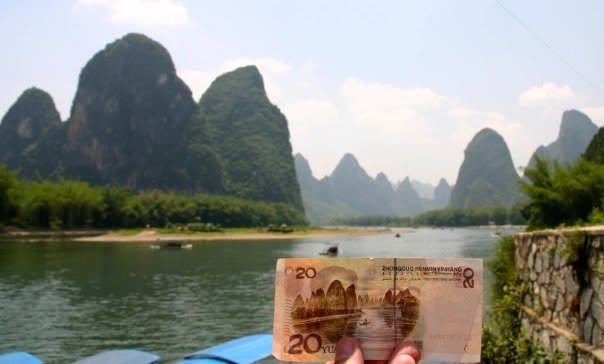
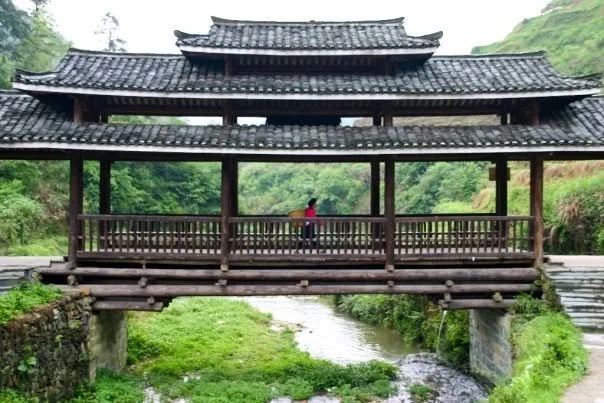
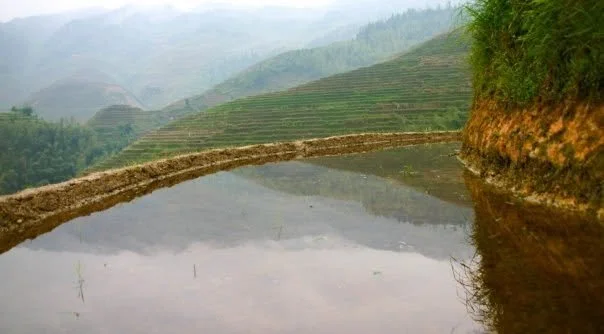
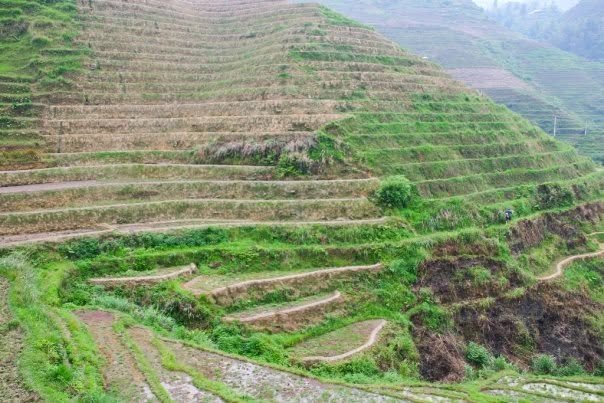
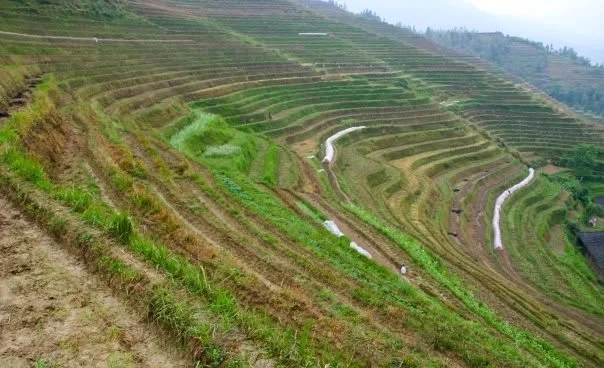
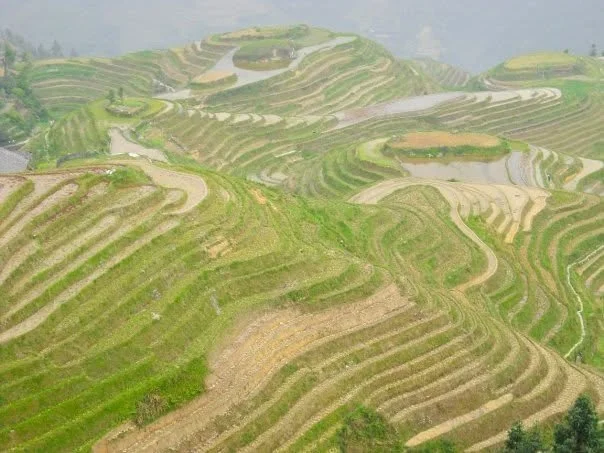
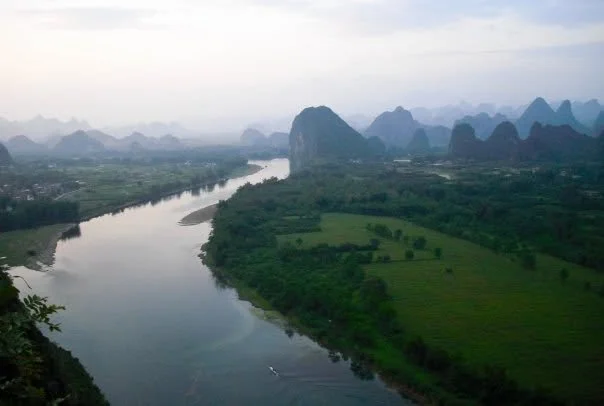
The Li River and Dragon's Backbone Rice Terraces 2009
Just outside of Yangshuo, the Dragon's Backbone Rice Terraces were constructed in the early Qing Dynasty, 1271 AD, and took nearly 400 years to build. They have been farmed continuously for 700 years!









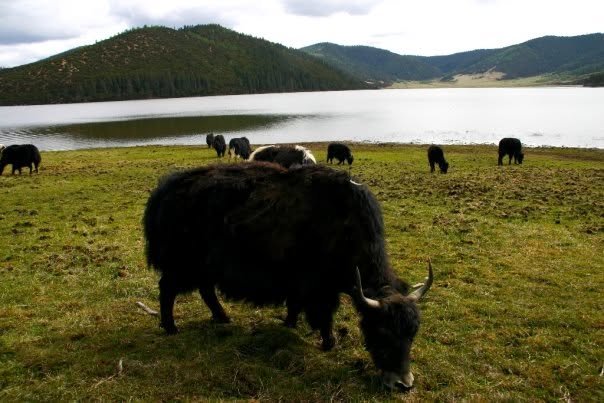
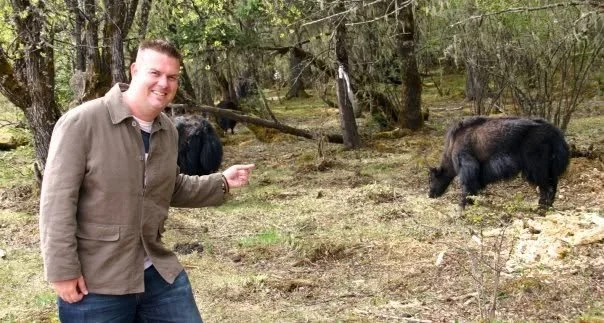
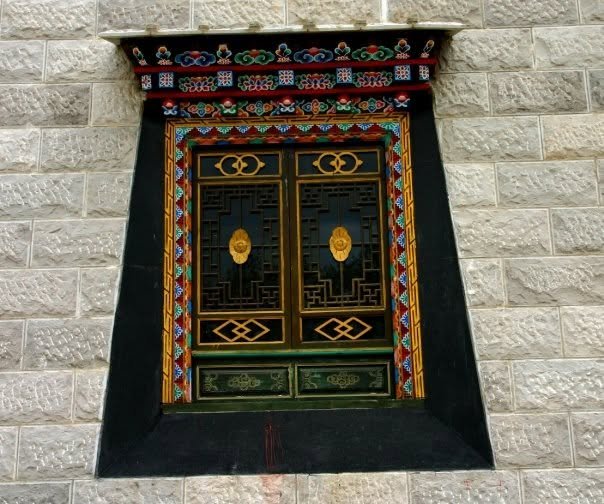
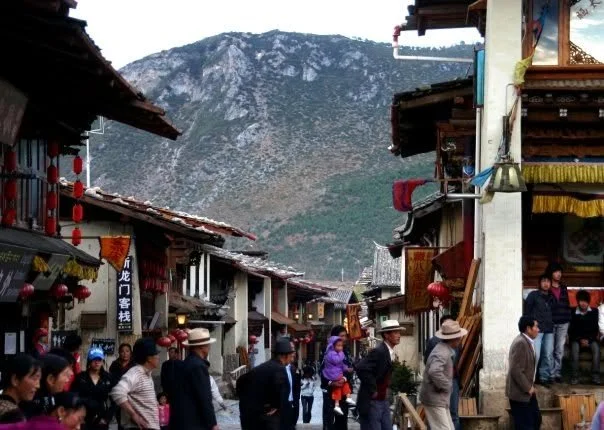
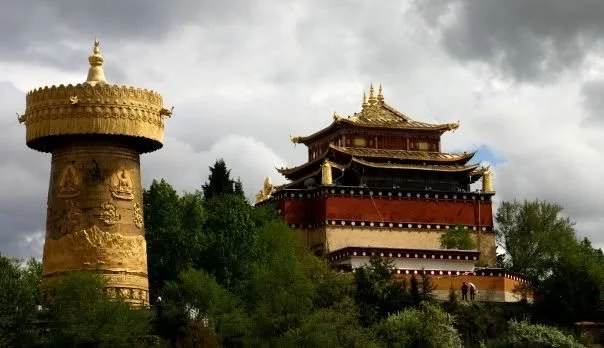
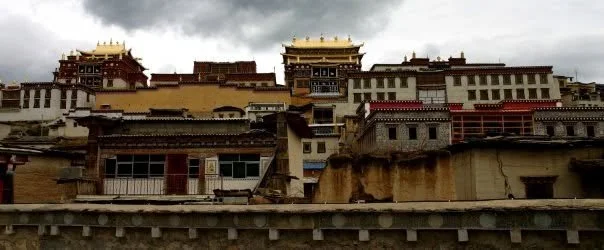
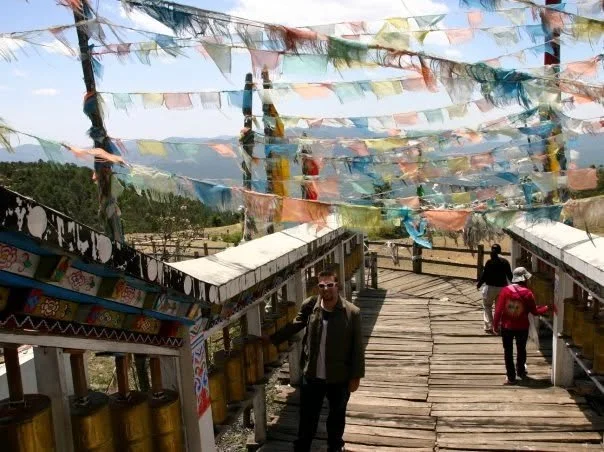
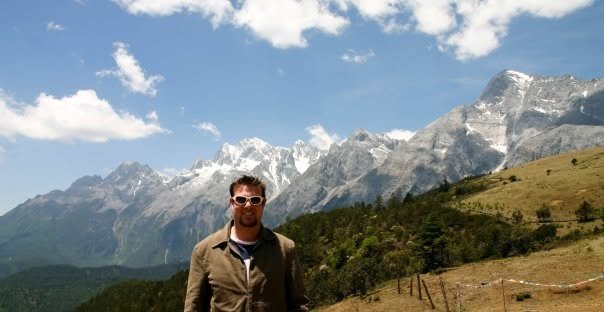
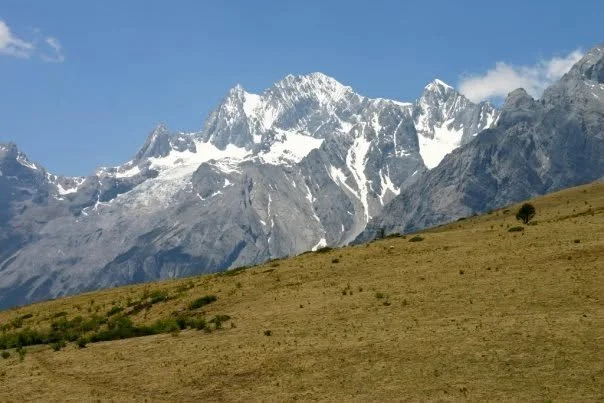
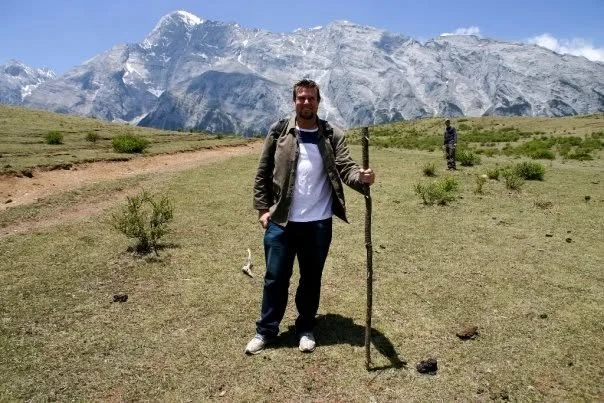
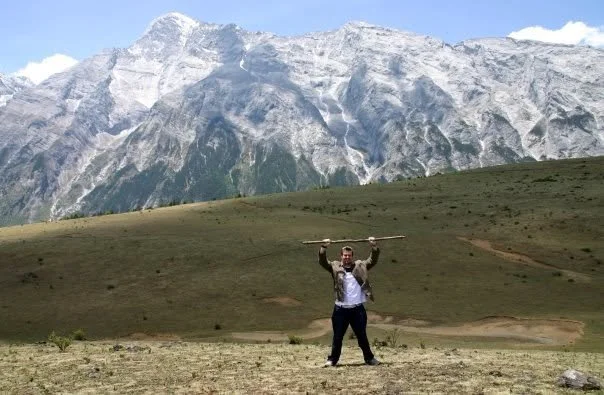
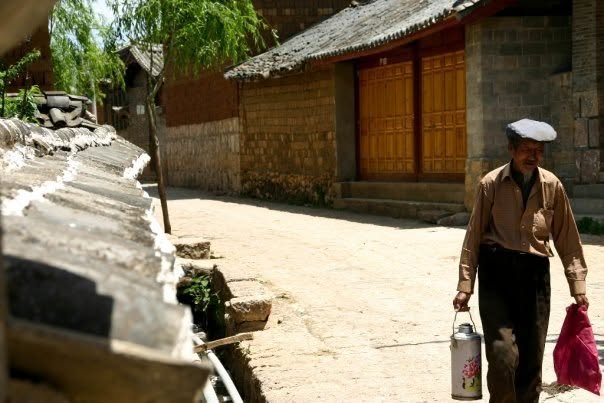
Shangri La- Yunnan June 2009
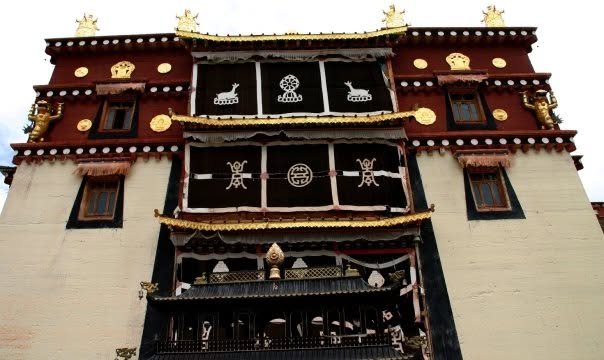
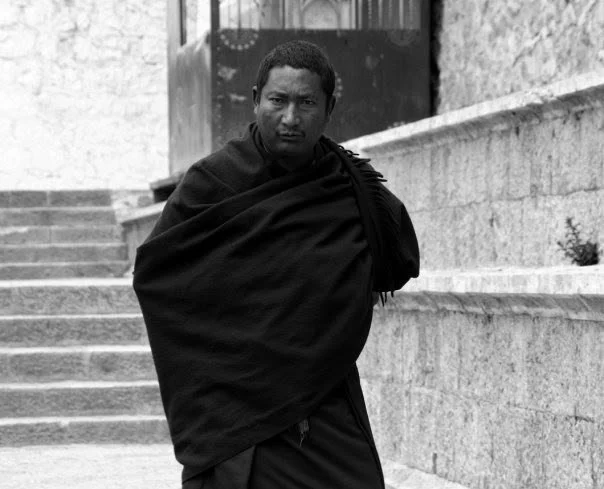
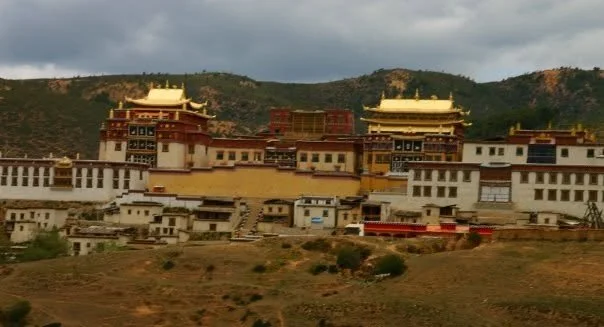
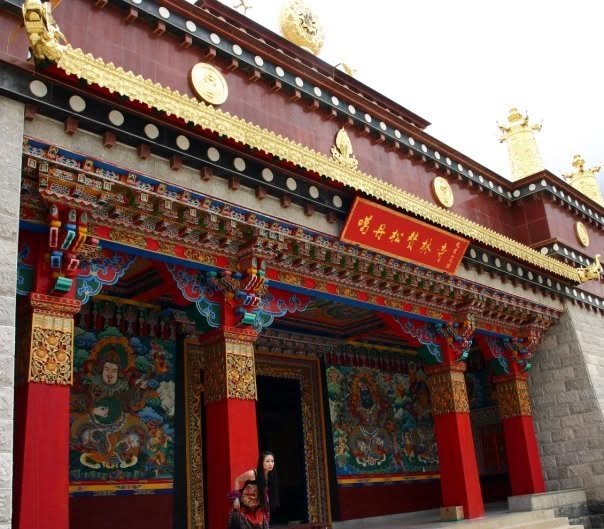
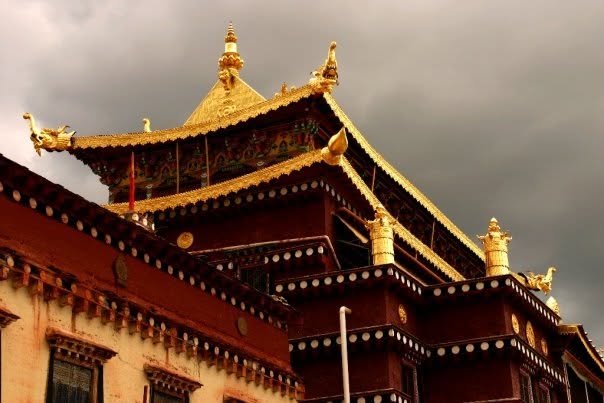
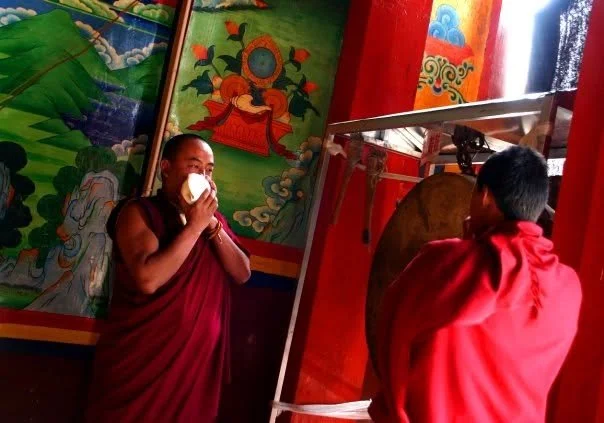
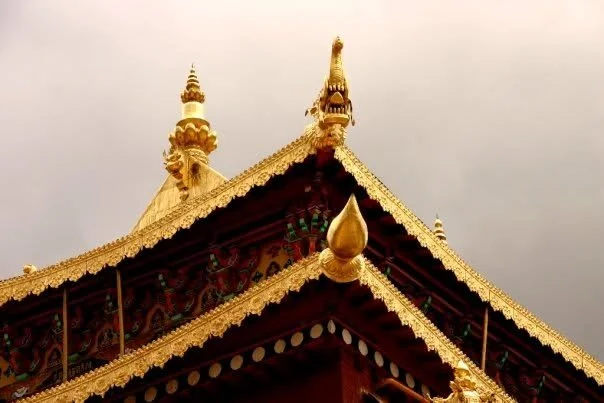
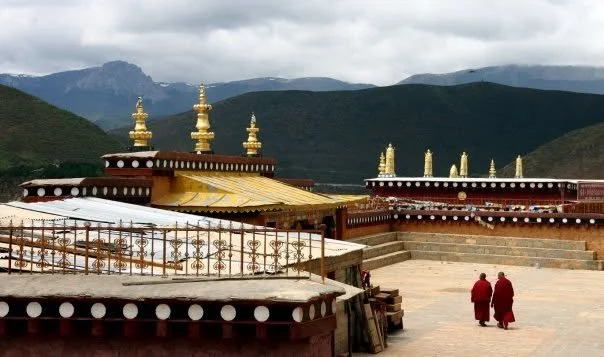
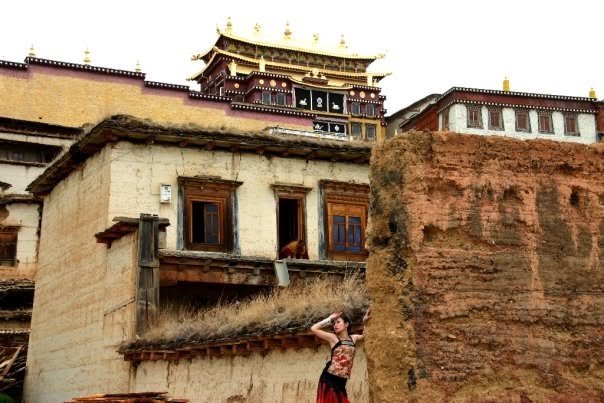
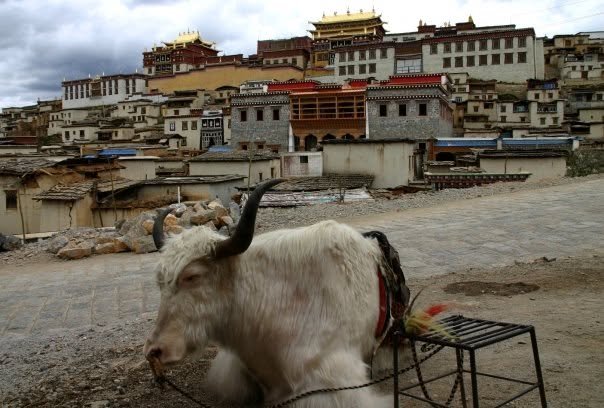
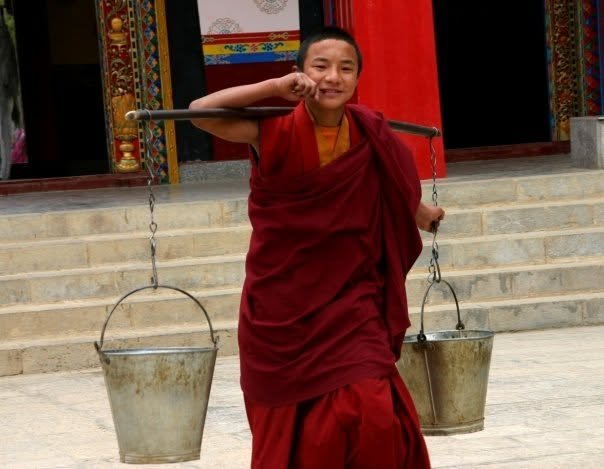
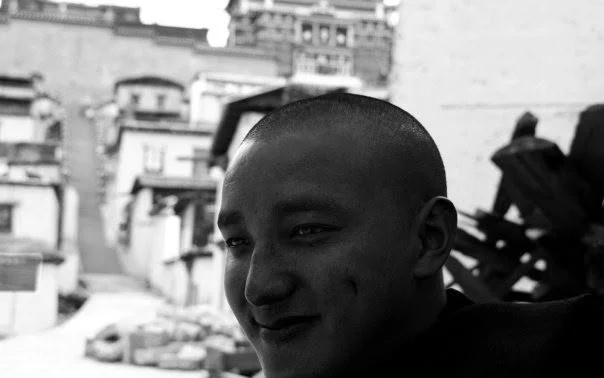
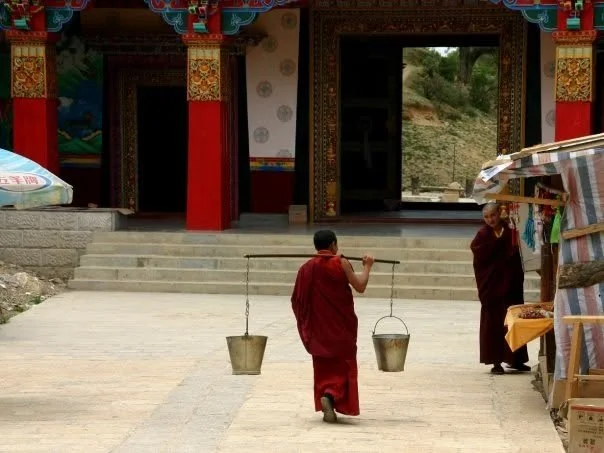
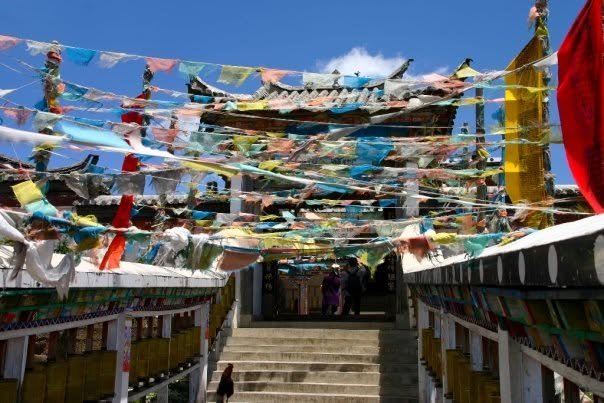
Songzanlin Monastery, perched on a hillside on the outskirts of Shangri-La, is the largest Tibetan Buddhist monastery in Yunnan Province and one of the most breathtaking religious sites in all of China. This 300-year-old complex, often called the "Little Potala Palace," is home to hundreds of monks and serves as the spiritual heart of the local Tibetan community. It is 300 years old and over 700 monks live in the complex