Behind the Story: Chapter 15 — The Show Pony
What happens when the person you're pretending to be becomes harder to maintain than the person you really are?
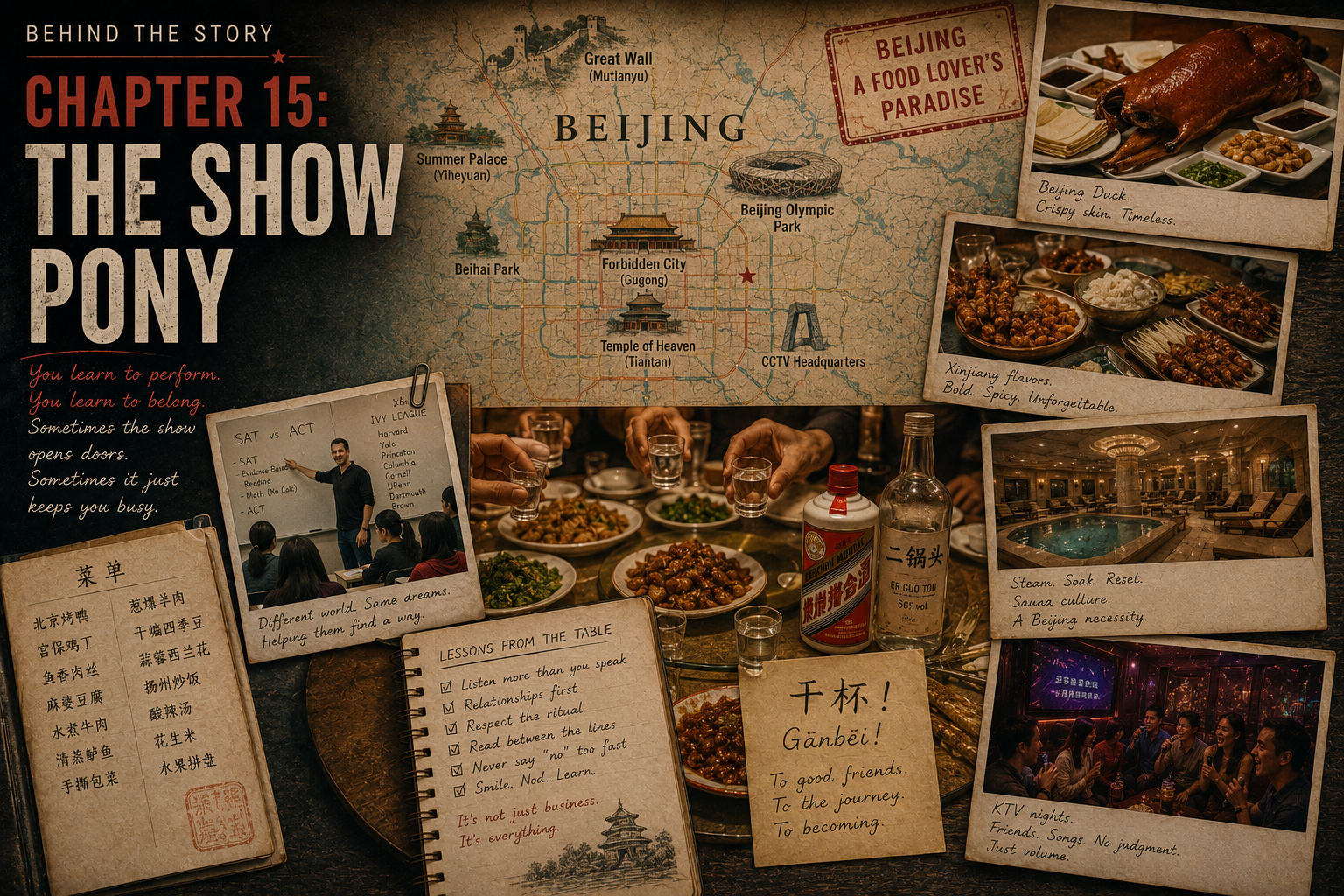
2010-2012 Beijing, China
The Chapter
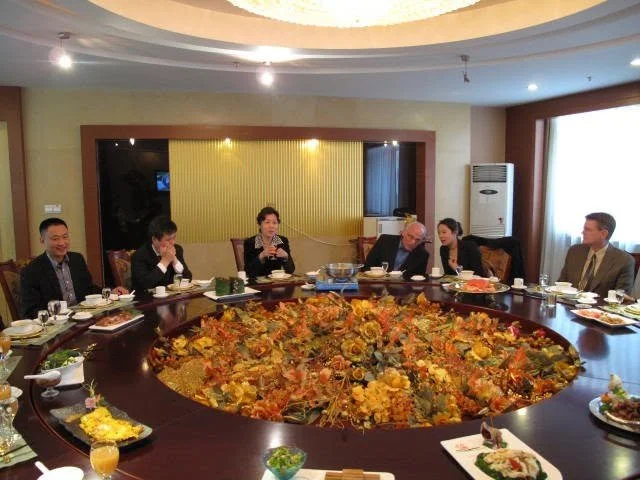
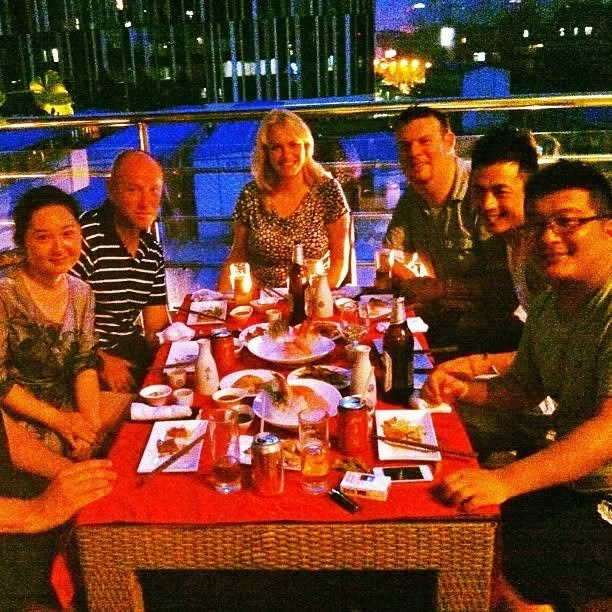
Chapter Fifteen puts Darren to work in a role nobody actually hired him to play on paper: the token American, paraded through five dinners a week as living proof that Mr. Yao's business is worth trusting. He doesn't have to say much. He has to exist, smile, and drink—and by the time the check arrives most nights, he's begun to understand something he hadn't expected to learn at a dinner table: that performing a role convincingly, night after night, is not remotely the same thing as becoming it.
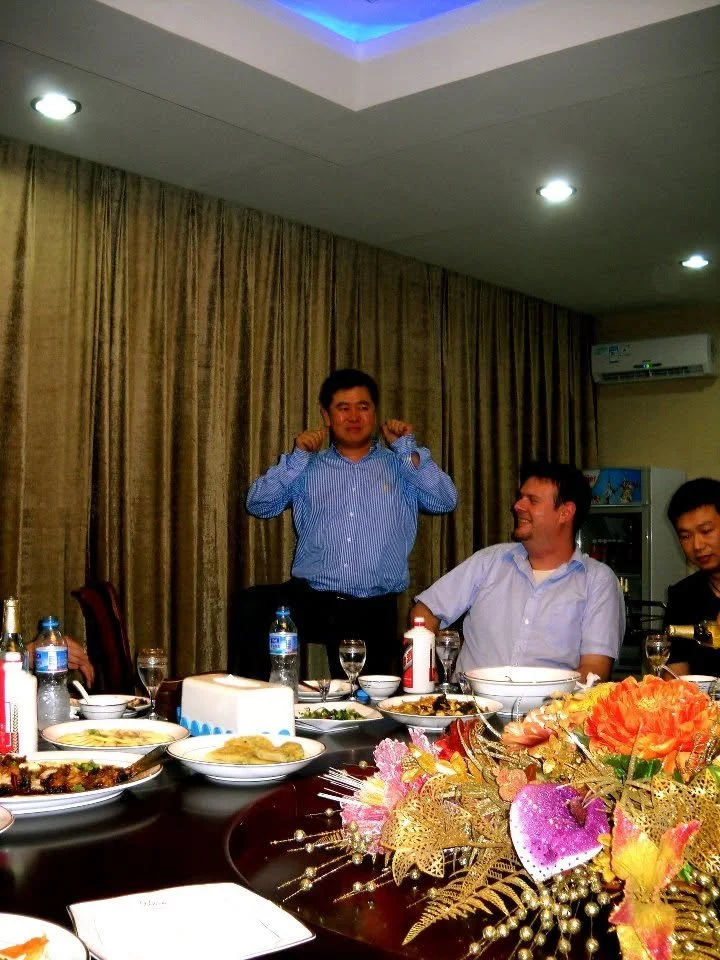
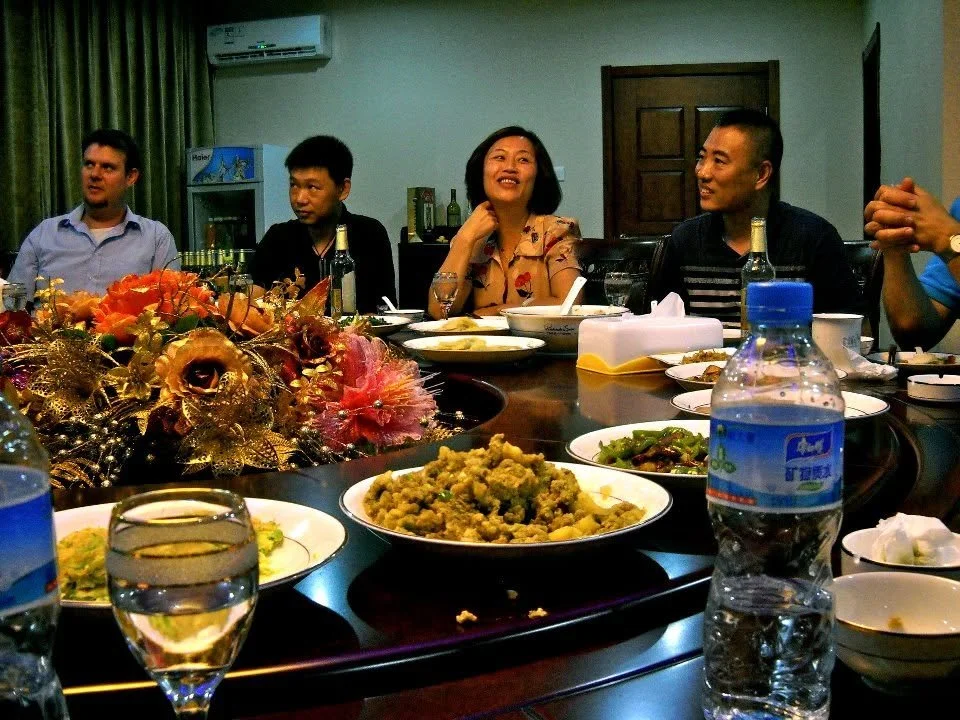
What follows is an education in a hierarchy nobody bothers explaining out loud—who sits where, who toasts first, how low you lower your glass and to whom, what a cigarette or a phone quietly announces about a person before they've said a word. Darren gets fluent in reading all of it, without ever mistaking fluency for belonging.
And underneath the food, the Moutai, and the increasingly elaborate nights that follow, there's a second, quieter negotiation running the whole time—one Darren isn't ready to say out loud yet, to Mr. Yao or to anyone else at the table.
Chapter Fifteen is about learning exactly how far you can bend toward someone else's world before you've stopped bending and started disappearing.
Behind The Story
The Showpony
It took me longer than it should have to understand what those five dinners a week actually were. For a while, I assumed Mr. Yao was simply an unusually generous boss—the kind of man who liked company at the table and happened to have the money to fill it every night of the week. That was true, as far as it went. It also wasn't the whole story.
I was part of the sales strategy.
When prospective parents sat down to decide whether Mr. Yao's education program was worth their tuition money, having an actual American at the table did more convincing than any brochure he could have printed. I didn't have to pitch anything. I didn't have to say much at all. I just had to exist, drink what was poured, laugh at the right moments, and let my presence do the talking Mr. Yao didn't need to do himself.
I'd spent years, by that point, trying to build a career out of what I could actually do—skills, results, the things you put on a résumé. Somewhere in the middle of my second or third Moutai-soaked dinner that week, I understood I was being paid, in part, for something else entirely: what I represented simply by sitting there.
I don't think I fully made peace with that distinction the whole time I worked for him. I'm not sure I've fully made peace with it now, writing this.
The Actual Job
Being a prop at dinner wasn't actually the job—or at least it wasn't supposed to be.
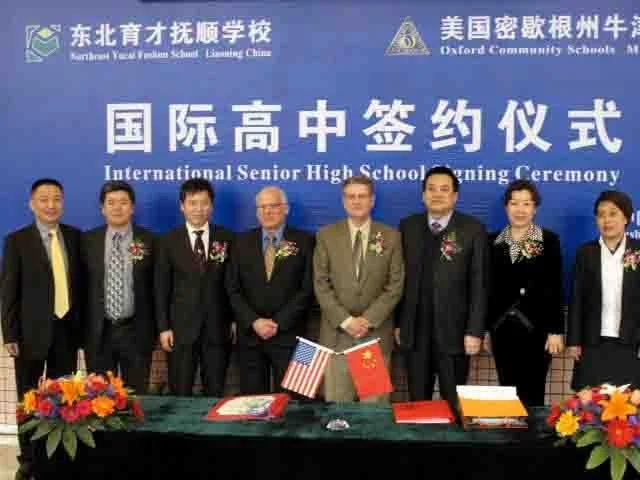
On paper, I was the liaison between a high school in Oxford, Michigan, and a high school in Shenyang, China, running a reciprocal exchange program between the two.
Mr. Yao would put together a delegation of Chinese teachers, and I'd build the entire American side of their trip from scratch: itinerary, hotels, negotiated rates, transportation, every meal, every dollar accounted for on the ground, plus acting as tour guide the whole way through.
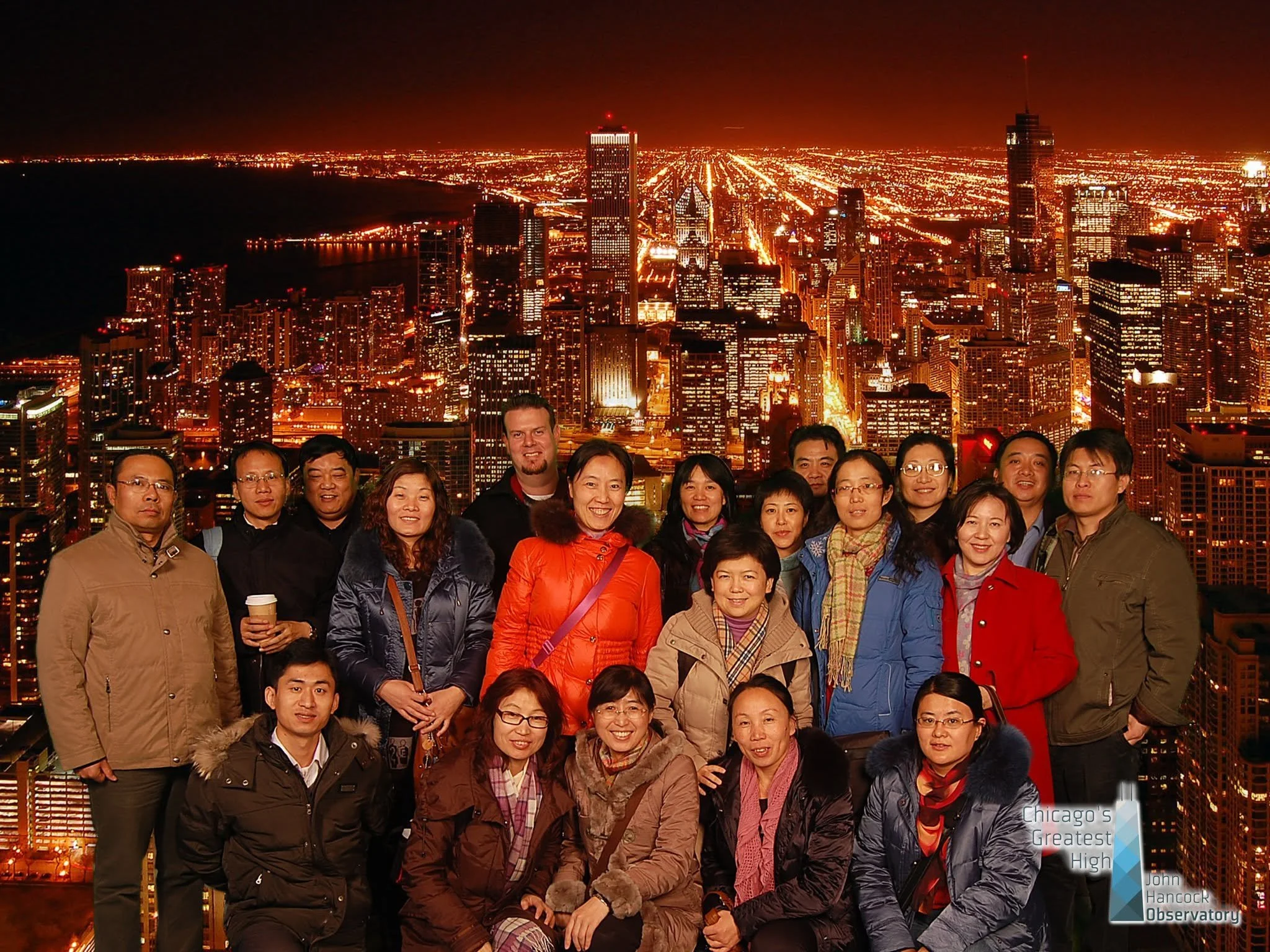
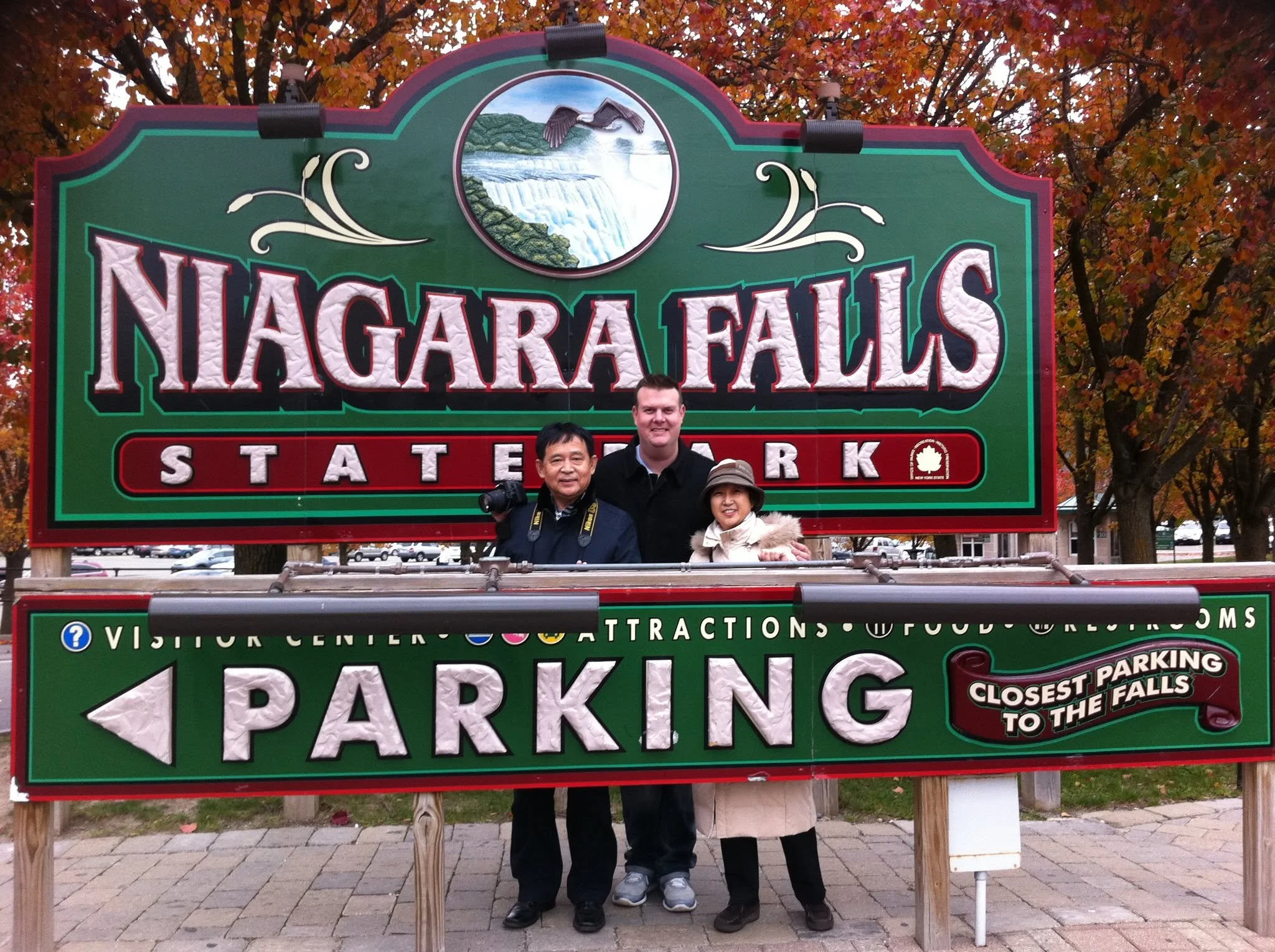
Most trips ran through Seattle, Los Angeles, or San Francisco depending on the port of entry, sometimes extending east to New York, Boston, and D.C., almost always looping through Chicago, Michigan, and Oregon. I worked directly with superintendents, teachers, and university admissions offices to get us into schools most tour groups never saw the inside of.
Then the whole thing would run in reverse.
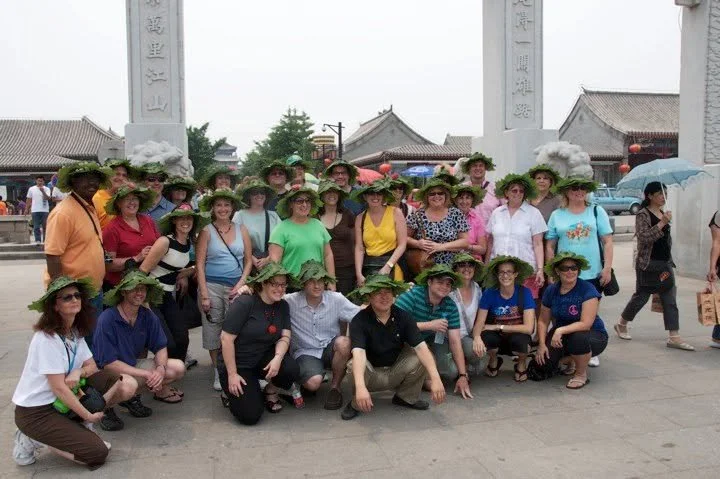
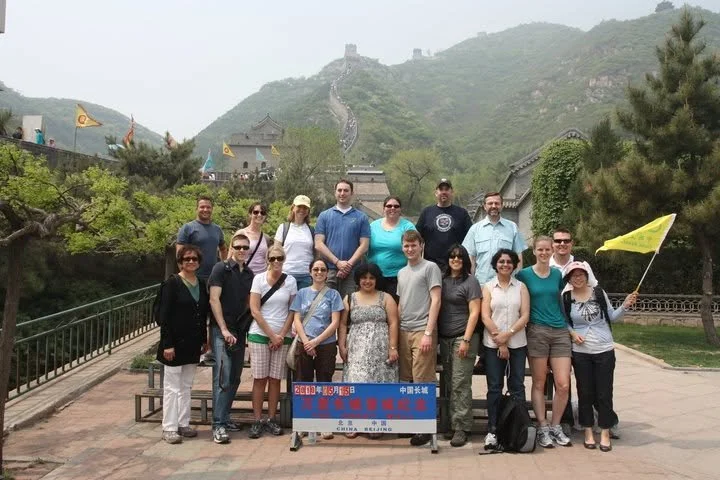
American teachers would fly to China, and I'd handle every arrangement on that end too, usually through Beijing, Shanghai, Beidaihe, Xi'an, and Harbin, accompanying the group to every site visit, school tour, and meal along the way.
I wasn't a travel agent with a nicer title. I was the actual bridge between two systems that otherwise had no reason to trust each other, translating not just logistics but expectations—what an American superintendent needed to hear to say yes, and what a Chinese delegation needed to feel welcome once they'd arrived.
Over the time I worked for Mr. Yao, I visited somewhere around eighteen of China's thirty-six provinces and ten or fifteen American cities, more often than not living out of a suitcase in one country or the other.
I genuinely loved the work.
I was also, by any honest American standard, barely paid for it—a fraction of what I was actually saving him on every single trip. I don't think he ever fully understood what that work was actually worth.
If he had, I suspect the number on my paycheck would have looked considerably different.
What I Know Now
At thirty, I was getting very good at becoming whoever the room seemed to need me to be.
In China, that was useful. I learned how to read a dinner table, how to navigate a hierarchy nobody explained, how to drink when drinking was part of doing business, how to represent something larger than myself simply by being the American in the room. I became good at adapting because I had spent most of my adult life doing exactly that.
What took me longer to understand was that adaptation has a limit.
You can learn another culture without becoming part of everything it asks of you. You can respect someone else's rules without surrendering your own. You can sit at a table, understand the hierarchy, play your assigned role—and still know which parts of the performance aren't actually you.
I think I was beginning to learn that distinction in China, even if I didn't have the language for it yet.
I'd also spent years assuming that once you finally understood something about yourself, the hard part was over. It wasn't. Sometimes knowing the truth privately is the easy part. Deciding what to do with it—and who gets to know it—is an entirely different kind of courage.
China taught me that belonging doesn't require imitation.
And somewhere in those two years, I started learning something else: I could adapt without disappearing.
That distinction would matter more than I knew.
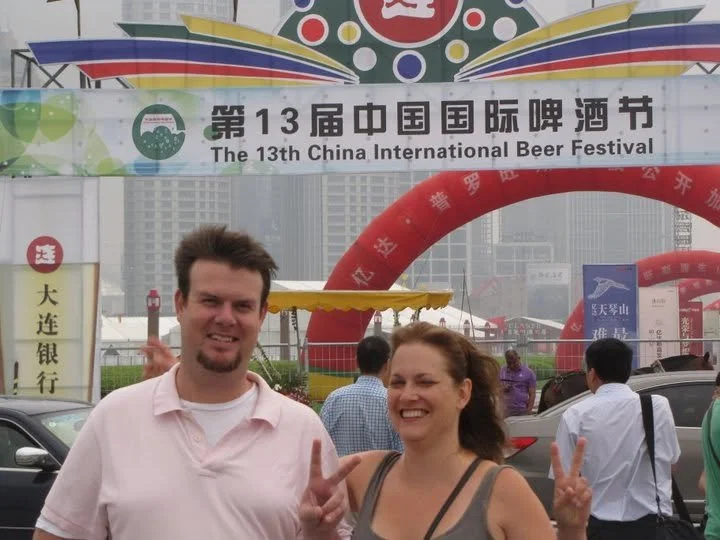
The Album 2010-2012